
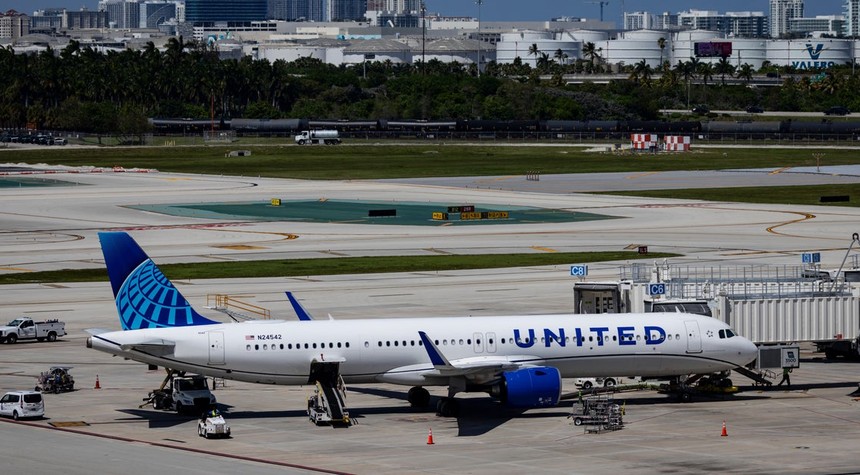
United Airlines Chief Executive Scott Kirby confirmed Monday that he personally approached American Airlines to explore a merger between the two major carriers, an overture that American Airlines swiftly rejected and that has raised significant concerns about airline industry competition.
In a statement released April 27, Kirby defended his proposal, saying he was confident such a combination could secure regulatory approval. “I was confident that this combination, which would have been about adding and not subtracting, creating a truly great airline that customers love, could get regulatory approval,” the United executive stated.
According to sources familiar with the matter, Kirby had previously discussed the merger concept with Trump administration officials. That conversation came to public attention earlier this month, though the administration has not commented on the substance of those discussions.
American Airlines made its position unequivocally clear in an April 17 statement, declaring it is “not engaged with or interested” in any merger discussions. When contacted for additional comment, the airline referred back to that original statement. United Airlines did not respond to requests for comment beyond Kirby’s prepared statement.
“I was hoping to pitch that story to American, but they declined to engage and instead responded by publicly closing the door. And without a willing partner, something this big simply cannot get done,” Kirby acknowledged Monday.
The proposal has drawn immediate and bipartisan criticism from Capitol Hill. In a letter to both airline chief executives last week, Senator Elizabeth Warren, a Massachusetts Democrat, and Senator Mike Lee, a Utah Republican, expressed their opposition to any such merger. The senators argued that combining the two carriers would weaken industry competition and ultimately harm American consumers.
Despite the rejection, Kirby used his Monday statement to outline his rationale for the proposed merger. He argued the combination would create additional “high-paying, unionized jobs,” provide more affordable flying options for customers, and strengthen the ability of American carriers to compete with foreign airlines.
“By combining our airlines and using that scale to revolutionize our customers’ experience, we would create a new, thriving U.S. airline that would be the very best in the world for customers,” Kirby maintained.
Any merger between United and American would face formidable regulatory obstacles. The airline industry has already undergone substantial consolidation in recent decades, and federal regulators have shown increasing skepticism toward major corporate mergers that could reduce competition. The Biden administration’s Justice Department has taken an aggressive stance against airline consolidation, successfully blocking JetBlue’s proposed acquisition of Spirit Airlines earlier this year.
The proposed United-American merger would create an airline giant of unprecedented scale in the American market, controlling a substantial portion of domestic routes and international connections. Such concentration of market power would almost certainly trigger intensive antitrust review, regardless of the administration in power.
For now, the proposal appears dead on arrival, with American Airlines showing no interest in entertaining discussions and lawmakers from both parties signaling their opposition to any such combination.
Related: Severe Weather System Threatens 27 Million Americans Across Central United States
