
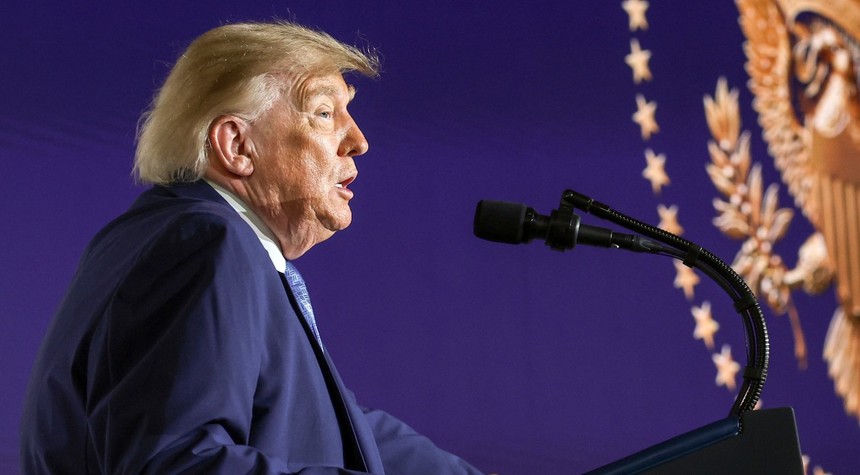
WASHINGTON — President Donald Trump welcomed nearly twenty of America’s most influential technology executives to the White House on Tuesday for discussions centered on artificial intelligence, even as he continues to reject warnings about potential catastrophic risks from the rapidly advancing technology.
The gathering included the chief executives of the nation’s most prominent technology firms: Elon Musk of SpaceX and Tesla, Jensen Huang of Nvidia, Mark Zuckerberg of Meta, Jeff Bezos of Amazon, Sundar Pichai of Alphabet, Satya Nadella of Microsoft, Dario Amodei of Anthropic, Lisa Su of Advanced Micro Devices, and Greg Brockman of OpenAI, according to White House officials.
Speaker of the House Mike Johnson joined the President in hosting the luncheon. Vice President JD Vance, Commerce Secretary Howard Lutnick, Treasury Secretary Scott Bessent, and White House Chief of Staff Susie Wiles also attended.
The meeting comes at a critical juncture in the development of artificial intelligence technology. In recent weeks, several prominent executives from companies at the forefront of AI development have issued stark warnings about the potential dangers their own technology poses. These industry leaders have called for increased government oversight and international cooperation in regulating artificial intelligence systems.
The President has consistently dismissed these concerns as overblown. His position centers on maintaining America’s competitive advantage over China in what he describes as an AI arms race. Trump has argued that excessive caution would handicap American innovation at precisely the moment when technological leadership matters most.
Earlier on Tuesday, the administration unveiled America.gov, a new government website featuring AI-powered tools designed to help citizens navigate federal services more efficiently. The initiative represents the administration’s vision of practical AI applications serving the American people.
“Whoever wins AI, whoever wins super intelligence, wins,” Trump stated in his address to the United Nations General Assembly last week. “That’s the group that wins, and we’re leading now over China by a lot and everyone else, and we’re going to keep it that way.”
The President drew comparisons to previous technological revolutions. “I’m not going to stifle growth of something that will be bigger than the Industrial Revolution — many say bigger than the Industrial Revolution or the internet itself — and we will be very careful,” he said.
Speaker Johnson has been instrumental in organizing this summit. His interest intensified after Jacob Coxon, a researcher at Anthropic, resigned publicly and warned that those developing advanced AI systems believe the technology could pose existential threats to humanity within the decade.
However, Johnson has made clear his opposition to heavy-handed federal regulation of the artificial intelligence industry. The Speaker believes existing legal frameworks and product liability laws provide sufficient oversight mechanisms. He suggests that AI companies should face legal accountability if their products cause demonstrable harm, rather than operate under new regulatory structures.
The fundamental tension remains unresolved. Technology leaders are developing increasingly powerful artificial intelligence systems at an unprecedented pace. Some of these same leaders now express serious reservations about the safety of the very technologies they are creating. Meanwhile, the administration maintains its focus on ensuring American supremacy in this critical technological domain.
The outcome of Tuesday’s discussions may well shape how the United States balances innovation against caution in the race to develop artificial intelligence that could fundamentally transform human civilization.
Related: Anne Hathaway Skips Spicy Wing Challenge on Medical Advice During Pregnancy
