
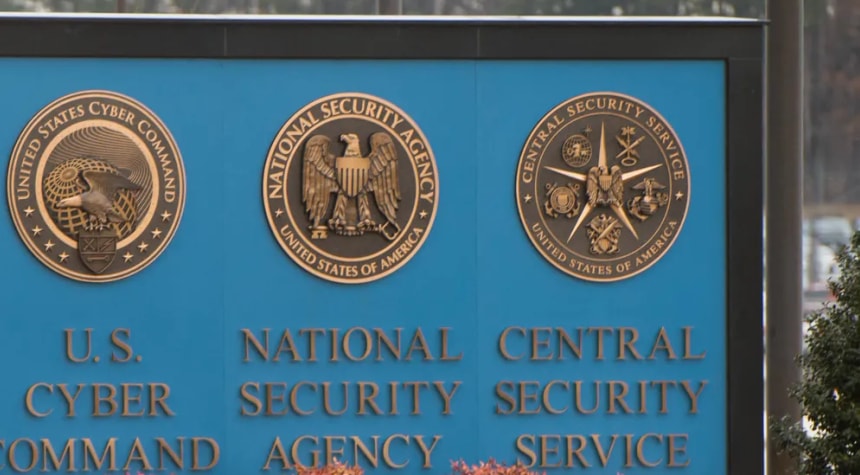
Eleven employees at the National Security Agency and United States Cyber Command have died by suicide over the past year, a troubling pattern that has drawn the attention of Congress and the White House.
The deaths occurred among military personnel, civilian employees, and contractors working at these critical intelligence and cyber warfare agencies. Military officials have classified five of these suicides, which occurred within roughly one month, as a suicide cluster. The deaths have prompted congressional inquiries and new restrictions on working hours as the agencies confront mounting operational demands stemming from overseas conflicts.
The suicide cluster occurred between early June and early July, a period that coincided with America’s shift from a fragile ceasefire agreement with Iran to renewed fighting. Of the eleven total suicides, the most recent occurred in September. Nine took place at Fort Meade, Maryland, with one occurring in Georgia.
Harry Coker Jr., a former senior executive at both the NSA and Central Intelligence Agency, offered insight into the unique pressures facing personnel at these agencies. He noted that the pace of operations at both NSA and Cyber Command can prove overwhelming. The stress inherent in cyber operations is often overlooked because the work appears removed from physical danger, he explained, though the intellectual and emotional toll remains substantial.
Congressional committees overseeing military and intelligence agencies have requested briefings from both organizations regarding the suicides and workload stress. Tim Kosiba, the NSA’s deputy director, briefed White House officials on the situation.
Leadership at NSA and Cyber Command has stated that each servicemember had distinctly different motives for their actions, including personal and financial difficulties. Technical Sergeant Kevin Stallings, who died by suicide on June 11, referenced a "wall of debt," his divorce, an earlier suicide in his military unit, and the death of his dog in explaining his decision. In his suicide note, Stallings apologized to his military leaders and insisted they could not have prevented his death. "This is something I would never reach out for," he wrote.
General Joshua Rudd, who leads both Cyber Command and the NSA, requested eleven million dollars in April to address personnel mental health concerns. He warned of possible "burnout and force degradation" without additional resources. Two lawmakers sent letters in October urging approval of this request following the string of suicides.
Democratic Maryland Representative Sarah Elfreth acknowledged the knowledge gap regarding electronic warfare’s psychological impact. While military leaders understand traditional warfare well, she noted, much remains unknown about electronic warfare’s effect on the psyche and mental health of those who wage it.
Military officials have emphasized that they have not determined workplace pressures caused the suicides, though they continue to examine the unique mental health challenges faced by cyber warfare personnel. Both the NSA and Cyber Command declined to comment on the matter. As these agencies grapple with the implications of these tragic deaths, the broader question of how to support personnel in this new domain of warfare remains unresolved.
Related: Indiana Overcomes USC 27-13 in Must-Win Conference Showdown