
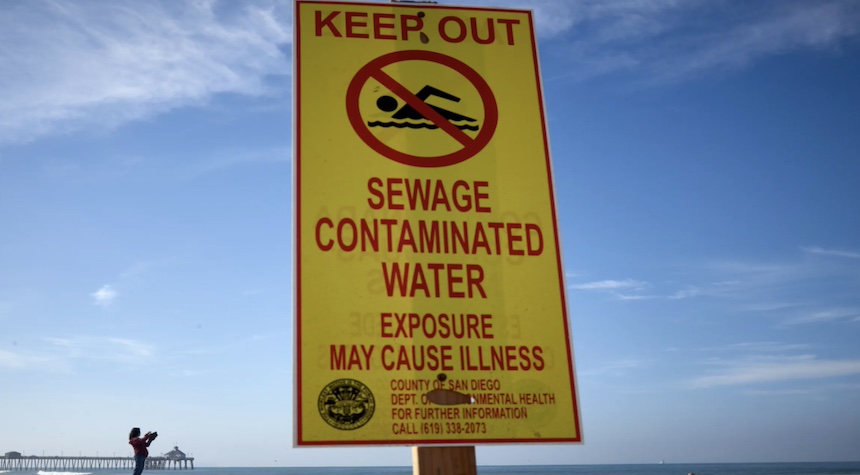
The United States and Mexico have reached an agreement to address the longstanding issue of the Tijuana River’s pollution, which has been persistently affecting the Pacific coast of Southern California. According to reliable sources, both nations have committed to specific steps and a new timetable to resolve this environmental quandary.
For decades, billions of gallons of sewage and toxic chemicals from Tijuana have poured into the Pacific, causing beach closures and health concerns for those who come into contact with the waters, including Navy SEALs who conduct their training in the area. Despite previous attempts and significant funding, the problem has continued, reinforcing its urgency.
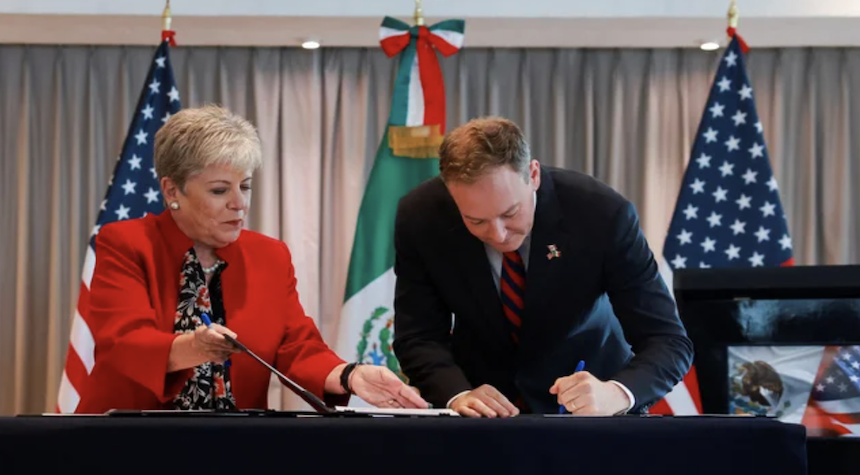
Reports indicate that under this new agreement, Mexico has pledged to allocate $93 million towards infrastructure projects, adhering to a specific schedule for priority projects that extend through to 2027. This development follows earlier reports of U.S. Environmental Protection Agency Administrator Lee Zeldin’s visit to San Diego and the border area, where he witnessed firsthand the environmental degradation caused by the pollution.
The Tijuana River, spanning 120 miles, passes through Navy-owned land in Southern California, carrying with it the pollutants from aging wastewater treatment plants in Mexico. The boom in Tijuana’s population and industry has exacerbated the problem, increasing the amount of toxins reaching the river and subsequently, San Diego County.
This sewage crisis has had an adverse effect on more than just the marine environment and its direct users. It has been reported that the sewage, when vaporized, enters the air and poses a risk to all who breathe it in. This raises important questions about the long-term health effects on the local population.
The agreement also stipulates that the U.S. will complete the expansion of the South Bay International Wastewater Treatment Plant in the coming month, and Mexico will divert 10 million gallons per day of treated sewage away from the shore this year. This cooperative effort presents a significant step forward in resolving a deeply rooted issue that has plagued both nations.
While this agreement marks a promising milestone, it is also a stark reminder of the importance of international cooperation in resolving shared environmental challenges. Both U.S. and Mexican officials have acknowledged the necessity for sustained commitment and action to ensure the long-term success of this initiative.
