
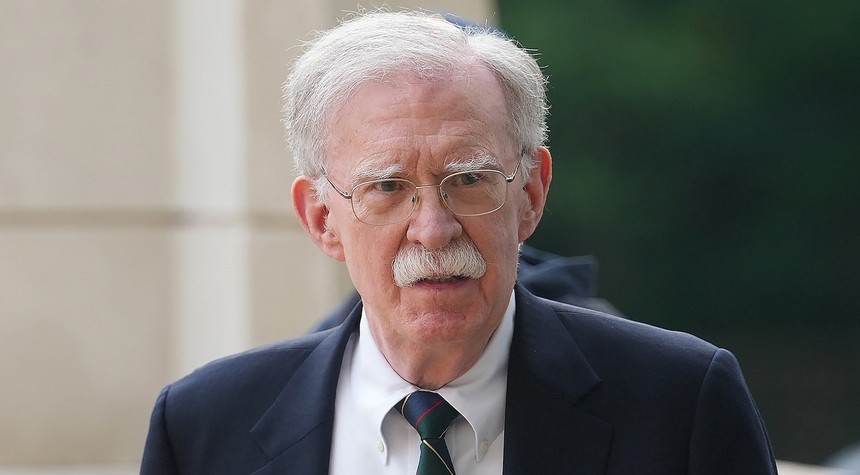
John Bolton, who served as national security adviser during the first Trump administration, pleaded guilty Friday to one count of illegal retention of classified national security information in federal court in Greenbelt, Maryland.
The plea represents a significant conclusion to a case that originated from allegations Bolton improperly handled sensitive government materials during his tenure in the White House. Originally facing 18 counts of unlawful transmission and retention of national defense information, Bolton entered his guilty plea to count 12 of his indictment before U.S. District Judge Theodore Chuang.
The charges stemmed from allegations that Bolton shared notes containing classified information, some marked as high as “Top Secret,” with his wife and daughter. According to sources familiar with the matter, the specific count to which Bolton pleaded guilty involves keeping classified national security information in personal diaries.
In court Friday, Bolton sat alongside his attorney Abbe Lowell and responded to a series of questions from Judge Chuang regarding his understanding of his rights and his voluntary decision to enter the guilty plea. When the judge asked directly whether he was pleading guilty because he is, in fact, guilty, Bolton responded affirmatively, adding an apology to the court.
The plea agreement, as outlined by prosecutors, includes several significant penalties. The government has agreed not to seek a sentence exceeding 60 months in prison, though Judge Chuang retains final discretion over the actual sentence imposed. Bolton has agreed to forfeit approximately $2.2 million to resolve the case and will perform 100 hours of community service. Additionally, he will forfeit any retirement pay tied to his federal service.
Judge Chuang scheduled Bolton’s sentencing hearing for October 28. The charge carries a maximum prison sentence of 10 years, though the plea agreement caps the government’s sentencing recommendation at five years.
U.S. Attorney Kelly Hayes addressed reporters outside the courthouse following the proceeding. “Mr. Bolton knew how to handle classified information, where it should be stored, how it should be stored, and with whom he could share that information,” Hayes stated, emphasizing Bolton’s awareness of proper protocols for handling sensitive government materials.
Bolton has maintained that he did not remove documents bearing classification markings from government offices, according to those familiar with his defense. However, his guilty plea acknowledges wrongdoing in the retention of classified information in his personal diaries.
The case marks a notable development in the ongoing scrutiny of how former government officials handle classified materials after leaving office. Bolton’s guilty plea and the substantial financial and professional penalties he faces underscore the serious consequences that can result from mishandling sensitive national security information, regardless of one’s position or experience in government service.
Related: Ohio City Terminates Robot Police Patrol After Failed Trial Period
