
The Virginia Supreme Court has struck down a Democratic redistricting plan, rendering ineffective a campaign that cost the party and its allies more than $64 million.
The ruling invalidates a congressional map that Democrats had hoped would flip four Republican-held seats in the upcoming November midterm elections. The decision has prompted significant reaction across the political spectrum, with particular attention focused on the substantial financial investment that ultimately yielded no return.
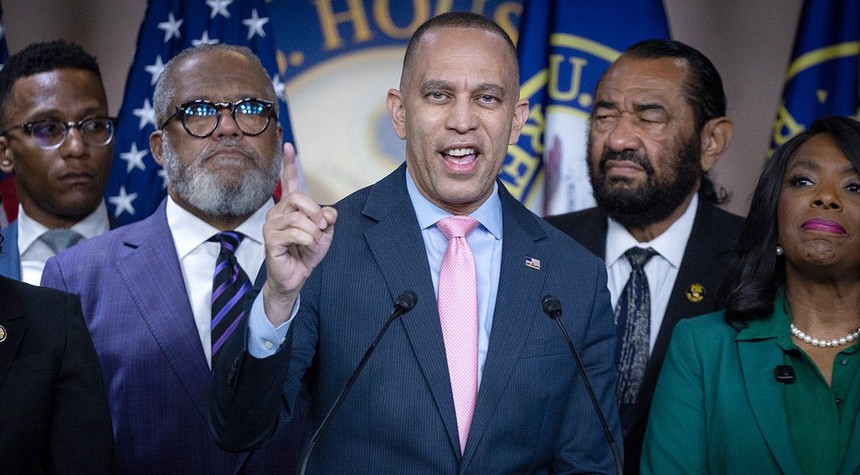
Virginians for Fair Elections, the primary organization supporting the redistricting effort, raised approximately $64 million to advance the Democratic-backed map. Nearly $40 million of that total came from an outside spending group aligned with House Minority Leader Hakeem Jeffries of New York, who played a central role in the redistricting campaign.
The financial disparity between the two sides was substantial. According to available data, the pro-redistricting forces outspent their opposition by a ratio of ten to one on television advertising alone. However, the Republican-supported legal challenge proved to be the more effective strategy.
The redistricting map had been approved by voters in a special election, which the Virginia Supreme Court permitted to proceed despite ongoing litigation regarding the constitutionality of mid-decade redistricting. The court’s subsequent ruling found the map to be unconstitutional, invalidating both the electoral result and the extensive campaign that preceded it.
The decision represents a significant setback for Democratic efforts to gain ground in Virginia’s congressional delegation. The party had invested heavily in what it viewed as an opportunity to reshape the state’s political landscape ahead of crucial midterm elections. Instead, the existing congressional boundaries will remain in place.
The case underscores the complex interplay between electoral politics, legal challenges, and redistricting processes. While Democrats focused resources on a public campaign and voter persuasion, Republicans pursued a legal strategy that ultimately proved decisive. The outcome demonstrates that substantial financial advantages in political campaigns do not guarantee success when constitutional questions are at stake.
The Virginia Supreme Court’s ruling also raises questions about the timing and process of redistricting efforts. The controversy centered on whether mid-decade redistricting was permissible under Virginia law, a question the court ultimately answered in the negative.
For Republicans, the decision represents both a legal victory and a validation of their strategic approach. Rather than attempting to match Democratic spending in the public arena, they concentrated resources on legal challenges that addressed fundamental constitutional questions about the redistricting process itself.
The substantial sums involved in the redistricting fight reflect the high stakes of congressional map-drawing. Control of even a handful of seats can determine which party holds the majority in the House of Representatives, making redistricting battles increasingly expensive and contentious.
As Virginia moves forward with its existing congressional map, the case serves as a reminder that in American governance, legal and constitutional constraints can supersede even the most well-funded political campaigns. The rule of law, as interpreted by the courts, remains the final arbiter in disputes over electoral procedures.
Related: North Carolina Teen and Older Man Charged in Triple Murder of Girl’s Family Members
