
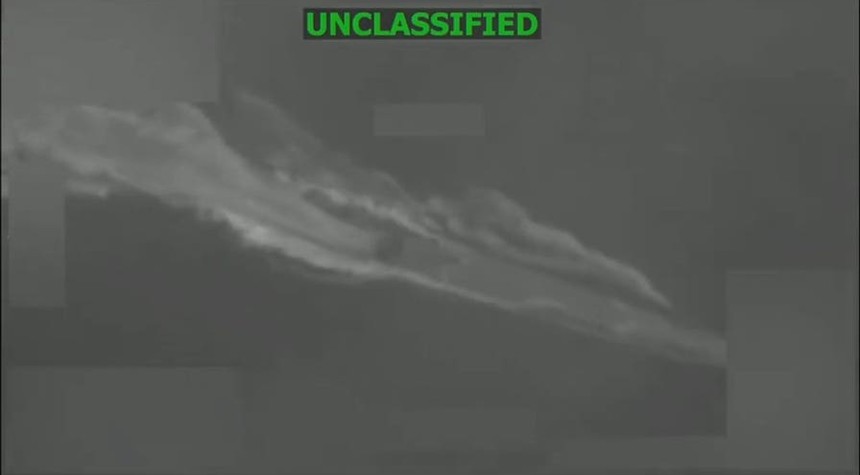
The United States military conducted a lethal strike against a suspected drug trafficking vessel in the Eastern Pacific Ocean on Sunday, resulting in the deaths of two individuals identified as narco-terrorists.
According to a release from U.S. Southern Command, Joint Task Force Western Hemisphere executed the operation under the direction of General Francis L. Donovan. The target was a low-profile vessel operating along established narco-trafficking routes. Military intelligence had confirmed the vessel’s active involvement in drug smuggling operations prior to the strike.
Video footage released by Southern Command shows the moment of impact as the vessel was struck with explosive force. The military confirmed two fatalities from the operation, describing those killed as narco-terrorists engaged in illicit drug trafficking.
This strike represents the latest in a series of similar military actions undertaken during President Donald Trump’s second term. The administration has adopted an aggressive posture toward maritime drug trafficking, authorizing dozens of such strikes against vessels suspected of smuggling narcotics. The policy has generated significant debate in Washington, with some lawmakers questioning the legal and ethical implications of these kinetic operations.
The previous announced strike of this nature occurred on June 21, approximately two months ago. That operation also resulted in two deaths, though six individuals survived and were presumably taken into custody.
General Donovan provided a statement explaining the strategic rationale behind these operations. He noted that the establishment of Joint Task Force Western Hemisphere was undertaken specifically to accelerate and synchronize lethal actions against drug trafficking networks that destabilize the region.
“We are committed to imposing total systemic friction on narco-terrorists, disrupting their operations, dismantling their leadership, and eliminating cartel terror across the region,” Donovan stated in the announcement.
The general emphasized that these strikes represent a coordinated effort to combat what the military characterizes as narco-terrorist networks operating throughout the Western Hemisphere. The use of military force against drug traffickers marks a significant escalation from traditional interdiction methods that typically focused on seizure of contraband and arrest of suspects.
The Eastern Pacific has long served as a major transit corridor for narcotics moving from South American production centers toward markets in North America. Criminal organizations have increasingly utilized low-profile vessels, sometimes called semi-submersibles, to evade detection by law enforcement and military patrols.
The Trump administration has made the fight against drug cartels a centerpiece of its national security strategy, arguing that these criminal enterprises pose a direct threat to American interests and regional stability. The military strikes represent one component of a broader campaign that includes enhanced cooperation with partner nations and expanded intelligence gathering operations.
Critics in Congress have raised concerns about the strikes, with at least one Democratic senator characterizing the operations in harsh terms. However, administration officials maintain that the actions are legally justified and represent an appropriate response to the threat posed by sophisticated transnational criminal organizations.
The frequency of these military operations appears to have increased in recent months as the task force has expanded its capabilities and refined its targeting procedures.
Related: Jeffries and Kushner Hold Private Meeting to Explore Bipartisan Cooperation
