
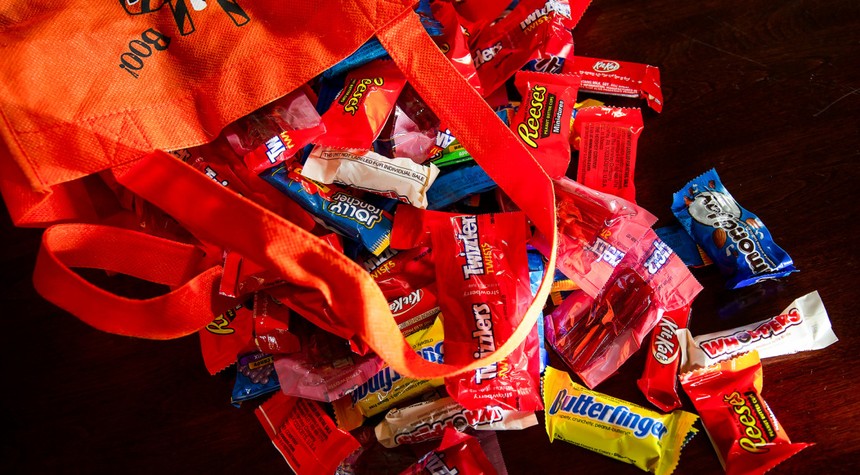
Americans facing mounting economic pressures this autumn are making difficult choices about their household budgets, yet one tradition appears immune from the cost-cutting measures: Halloween candy.
Lakisha Reardon, a legal assistant, has adopted several strategies to cope with rising costs. She now walks instead of driving when possible and brings lunch from home rather than purchasing meals during her workday. Her monthly electric bill has increased by $150 this year alone, prompting her to joke about investing in candles. Despite these adjustments, she maintains one firm position: the Halloween candy budget remains untouched.
The Bureau of Labor Statistics reports that average prices for chewing gum and candy have increased 8.1 percent over the past year. The rise in chocolate prices has been particularly dramatic, with Halloween chocolate packages averaging $5.67 this year, representing a 15.5 percent increase from the previous year. Nonchocolate candy items have seen more modest increases, rising 1.8 percent to an average of $3.31 per package.
The surge in chocolate costs stems primarily from disruptions in global cocoa production. Extreme weather conditions in the Ivory Coast and Ghana, which rank among the world’s primary cocoa-producing nations, have severely impacted supply. International Monetary Fund data reveals that global cocoa prices quadrupled between January 2023 and January 2025.
Ali Furman, consumer markets industry leader at PwC, explains that current retail prices reflect purchases made months or even years in advance. While cocoa prices have since declined by approximately half, these reductions have not yet translated to lower shelf prices and will not benefit consumers during this Halloween season.
Trade policy has compounded the pricing challenges. The United States imposed tariffs ranging from 10 to 12.5 percent on 60 trading partners in July. Given that chocolate production relies heavily on imported ingredients, these tariffs have increased costs for manufacturers, who inevitably pass these expenses to consumers.
Yet the financial pressures have not deterred American shoppers. The National Retail Federation projects that Halloween spending will reach $13.5 billion this season, with 96 percent of Halloween shoppers planning to purchase candy. This spending pattern aligns with broader consumer behavior observed throughout the year, as Americans increasingly prioritize small luxuries such as cosmetics and entertainment despite economic concerns.
Abby Mynatt, a 21-year-old college student in Knoxville, Tennessee, exemplifies this determination to maintain certain traditions. She recalls her childhood excitement upon receiving Reese’s Cups while trick-or-treating and wishes to provide that same joy to today’s children. Though she typically spends approximately $50 on Halloween candy, she expects to pay somewhat more this year. She acknowledges the strain on her budget but maintains that certain pleasures justify the expense.
The resilience of Halloween candy sales demonstrates how deeply certain cultural traditions have embedded themselves in American life. Even as families adjust their spending across numerous categories, the ritual of providing treats to neighborhood children appears to transcend economic calculations. It represents a determination to preserve normalcy and joy for the next generation, regardless of the financial cost.
This phenomenon may offer insight into consumer psychology during periods of economic uncertainty. When facing sustained pressure on household budgets, Americans appear willing to sacrifice in many areas while protecting experiences and traditions deemed essential to community life and childhood memories.
Related: Rodent Problems Plague Major American Cities with Detroit Making Troubling Debut
