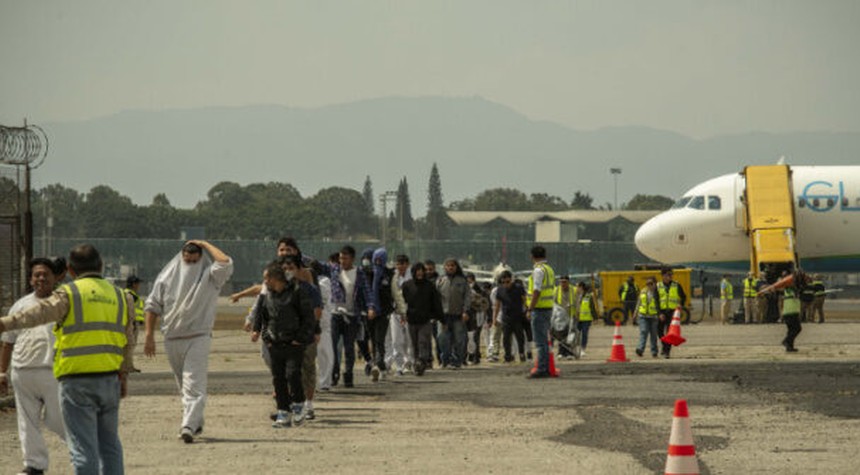
The Trump administration has deported 15 illegal migrants from Central America to the Democratic Republic of the Congo, implementing a controversial new deportation strategy that sends individuals roughly 7,000 miles from their countries of origin.
An official at the Congolese migration agency confirmed the arrivals of the deportees, all originating from Latin America. According to Alma David, an attorney representing one of the deportees with whom she has maintained contact since the group’s arrival in Kinshasa, the Congolese government plans to house these individuals in the country for a brief period.
This deportation marks the operational expansion of the administration’s “Safe Third Country” policy, a mechanism designed to circumvent a legal strategy that has proven effective for many migrants in recent years. Previously, individuals facing deportation could successfully argue before immigration judges that conditions in their home countries posed too great a danger to permit safe return. This courtroom tactic allowed numerous migrants to remain in the United States despite receiving deportation orders.
The policy appears to be achieving its intended effect. Immigration officials report that more detained migrants are now agreeing to voluntary deportation to their home countries rather than initiating protracted legal battles that could result in transfer to distant, unfamiliar nations such as the Congo.
Congressional Democrats have voiced strong opposition to the Safe Third Country deportations. In February, House Democrats criticized the administration for spending $40 million to deport 300 migrants to other countries. However, administration officials maintain that the policy will ultimately prove cost-effective by encouraging rapid self-deportation among arrested migrants who wish to avoid relocation to far-flung destinations.
The strategy also addresses a persistent challenge in immigration enforcement: countries that refuse to accept the return of their own nationals. India, China, Laos, Vietnam, and numerous other nations have historically declined to take back illegal migrants, particularly those with criminal records who have completed jail sentences in the United States.
The administration has now secured Safe Third Country agreements with seven African nations, in addition to multiple countries in Central and South America. Migrants have already been transported to Ghana, Rwanda, South Sudan, and Uganda under these arrangements. American officials are currently negotiating similar agreements with more than 40 additional nations.
This expansion of deportation destinations represents a significant shift in immigration enforcement strategy, one that the administration argues will strengthen border security and discourage illegal immigration by eliminating the legal advantages that have previously allowed migrants to extend their stays in the United States indefinitely.
The long-term implications of this policy remain to be seen, as do potential legal challenges that may arise from sending individuals to countries with which they have no previous connection.
Related: Democratic Megadonor Contributes $80 Million to NPR Digital Expansion