
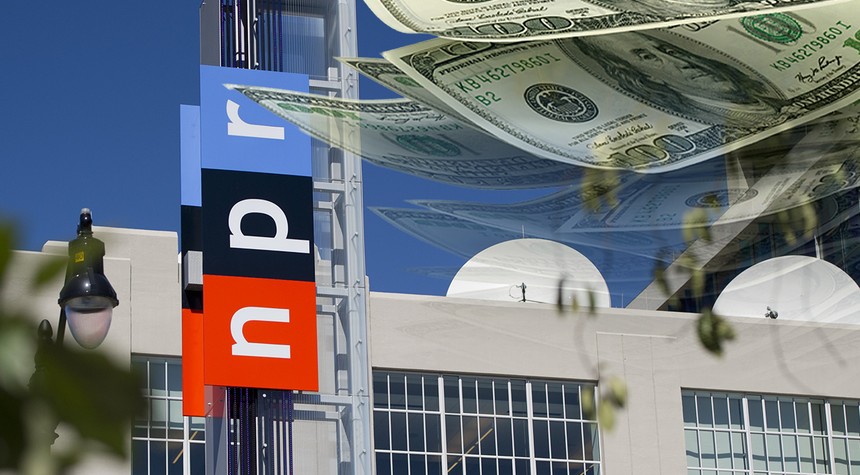
National Public Radio announced Thursday it has received $113 million in charitable donations from two sources, with $80 million coming from Democratic megadonor Connie Ballmer, marking a significant shift in the organization’s funding strategy as federal support remains under scrutiny.
The substantial donation arrives at a critical juncture for the public broadcasting network, which has faced renewed questions about its federal funding in recent weeks. NPR CEO Katherine Maher characterized the investment as essential to the organization’s evolving mission.
“NPR’s mission is unwavering, but our means must evolve,” Maher stated. “This remarkable investment will enable NPR to continue to deliver the nation’s finest public service journalism, meeting audiences where they are today and will be in the years to come.”
Ballmer, who serves on the Obama Foundation board and maintains an extensive history of Democratic political contributions, directed her $80 million contribution specifically toward expanding NPR’s digital capabilities and improving its cross-platform audience reach. Federal filings document hundreds of donations from Ballmer to Democratic politicians, political action committees, and various organizations over the years, including contributions totaling millions of dollars.
In her statement, Ballmer framed her donation as support for democratic institutions rather than partisan interests. “I support NPR because an informed public is the bedrock of our society, and democracy requires strong, independent journalism,” she said. “My hope is that this commitment provides the stability and the spark NPR needs to innovate boldly and strengthen its national network.”
The timing of these donations has drawn attention from congressional Republicans who have long questioned NPR’s editorial balance and its continued receipt of federal dollars. The Corporation for Public Broadcasting, which distributes federal funds to NPR and PBS, has recently expressed frustration with NPR’s attempts to block $58 million in disbursements to a new nonprofit entity.
The debate over NPR’s funding structure reflects broader questions about the role of government support for media organizations and whether such support can coexist with editorial independence. Critics argue that NPR’s acceptance of substantial donations from politically active donors undermines claims of nonpartisan journalism, while supporters maintain that diverse funding sources protect editorial integrity.
As the Trump administration and congressional Republicans examine federal spending priorities, public broadcasting has emerged as a focal point in discussions about appropriate uses of taxpayer dollars. The substantial private donations may provide NPR with greater financial flexibility, but they also intensify scrutiny of the organization’s political leanings and editorial decisions.
The announcement underscores the changing landscape of media funding in America, where traditional models face increasing pressure and organizations must balance public support, private donations, and commercial considerations while maintaining journalistic credibility.
For NPR, the challenge ahead involves demonstrating that significant donations from politically engaged benefactors will not influence its editorial independence, even as those same donations become essential to its operational future.
Related: Sotomayor Expresses Regret for Comments Questioning Kavanaugh’s Background
