
Tuesday’s primary elections across three states have crystallized the fundamental tensions shaping American politics in 2025, revealing a Republican Party still firmly under President Donald Trump’s influence and a Democratic Party grappling with questions of strategy and message that may determine its future.
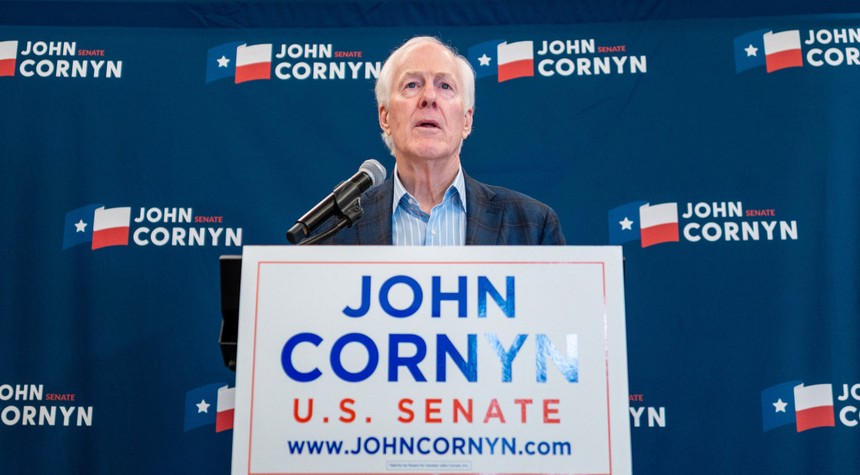
The most consequential result came from Texas, where four-term Senator John Cornyn failed to secure his party’s nomination outright and will face state Attorney General Ken Paxton in a May 26 runoff. The contest represents more than a simple intraparty dispute. It has become a proving ground for whether traditional conservative legislators can survive in a Republican Party that has been fundamentally transformed over the past decade.
With Representative Wesley Hunt withdrawing from the race, Cornyn and Paxton are now free to direct their fire at one another without distraction. The coming twelve weeks will test whether experience and institutional knowledge still hold currency with Republican primary voters, or whether the more confrontational approach embodied by Paxton has become the new standard for success.
The question hanging over this runoff is whether President Trump will finally endorse one of the candidates. His influence in other primary contests Tuesday demonstrated once again that his support remains the most valuable commodity in Republican politics.
On the Democratic side, state Representative James Talarico’s victory over Representative Jasmine Crockett in the party’s Senate primary offers important insights into the debate over how Democrats should position themselves in the Trump era.
Talarico built his campaign around economic populism, framing the political struggle as “top versus bottom” rather than “left versus right.” He directed his criticism at what he described as a political and economic system dominated by billionaires, an approach that resonated with voters seeking more than simple opposition to the president.
Crockett, by contrast, centered her campaign on direct confrontation with Trump, emphasizing her willingness to challenge the president and highlighting their past clashes. While such an approach has proven effective for some Democratic candidates, Texas voters appeared to favor Talarico’s broader economic message.
Texas Democratic strategist Tory Gavito noted that Talarico’s message represented something rarely heard from the party in recent decades. The emphasis on economic populism and moral clarity about who benefits from current policies echoed themes not prominently featured in Democratic campaigns since the era of President Lyndon Johnson.
Talarico also distinguished himself through superior campaign organization. He reported mobilizing 22,000 volunteers, a remarkable figure that translated into tangible electoral advantage despite Crockett’s higher name recognition and national profile when she entered the race.
The contrasting approaches extended beyond messaging. Talarico positioned himself as a potential bridge-builder capable of working across party lines, while Crockett argued she could expand the electorate by attracting new voters to the Democratic coalition.
Tuesday’s results also delivered sobering news for House incumbents in both parties, with several facing unexpectedly close contests or outright defeats. These outcomes will undoubtedly cause concern among other establishment figures preparing for their own primary challenges in the months ahead.
The primaries have made clear that American politics remains in flux, with both parties facing fundamental questions about identity, strategy, and leadership that will shape the political landscape for years to come.
Related: Newly Released Epstein Documents Reveal Network of Powerful Connections in Florida
