
The Justice Department has released a substantial collection of documents related to Jeffrey Epstein, the disgraced financier whose criminal activities and subsequent death in federal custody have raised persistent questions about the systems designed to ensure equal justice under law.
These documents, made public under the Epstein Transparency Act, reveal the calculated manner in which Epstein developed relationships with influential figures, particularly in South Florida, where he maintained significant operations. The records demonstrate how these connections ultimately contributed to his ability to evade appropriate legal consequences for an extended period.
The newly available files illuminate a troubling pattern. Epstein systematically cultivated relationships with individuals across multiple spheres of influence, including within the Justice Department itself. These associations appear to have created what can only be described as a protective shield around his activities, even as reports from victims accumulated with disturbing consistency.
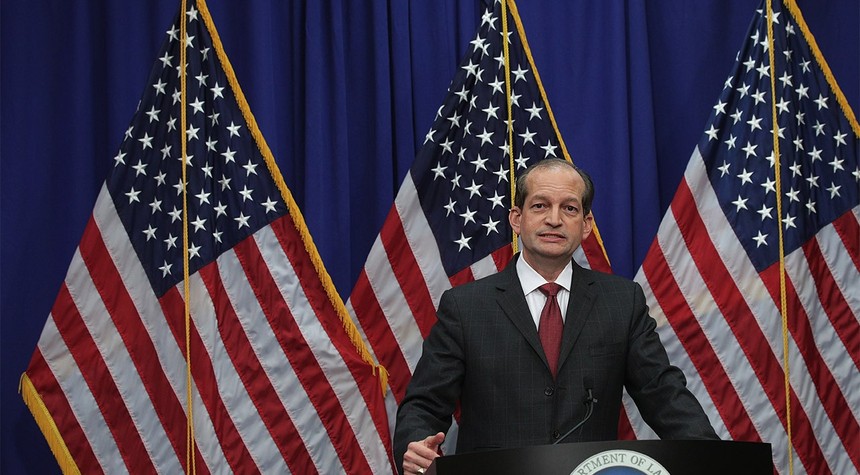
Central to this account is the role of Alex Acosta, who served as United States Attorney for the Southern District of Florida. The documents detail how Acosta negotiated and approved what has been widely characterized as an extraordinarily lenient plea agreement on Epstein’s behalf. This arrangement has since become a focal point for those examining how the justice system failed Epstein’s victims.
The agreement allowed Epstein to plead guilty to state charges that resulted in minimal incarceration time, during which he was permitted to leave custody for work purposes. Federal charges that could have resulted in far more severe consequences were not pursued. This outcome stands in stark contrast to the gravity of the allegations against him and the volume of victim testimony.
Lawmakers from both political parties have expressed serious concerns about the handling of the Epstein matter. During testimony before the House Oversight Committee last year, Acosta faced extensive questioning about his decisions and the rationale behind the plea arrangement. The bipartisan nature of these inquiries underscores the fundamental questions at stake regarding accountability and the equal application of justice.
The documents paint a picture of systemic failure rather than isolated missteps. Multiple individuals and institutions had opportunities to intervene more forcefully, yet the pattern of preferential treatment continued. The victims’ accounts, consistent and credible, should have prompted more aggressive action far earlier than ultimately occurred.
What emerges from these files is not merely a story of one man’s criminal conduct, but a broader examination of how power and influence can compromise the mechanisms of justice. The relationships Epstein developed were not accidental. They were deliberately constructed to provide insulation from consequences.
The release of these documents serves an important public interest. Americans deserve to understand how such failures occurred and what measures can prevent similar breakdowns in the future. The victims in this case were failed repeatedly by systems and individuals who should have protected them.
As this information continues to be analyzed, the focus must remain on ensuring accountability and implementing reforms that prevent such profound institutional failures from recurring. The integrity of our justice system depends on its ability to apply the law equally, regardless of wealth, connections, or social standing.
Related: Trump Expresses Disappointment in British Prime Minister Over Iran Strike Restrictions
