
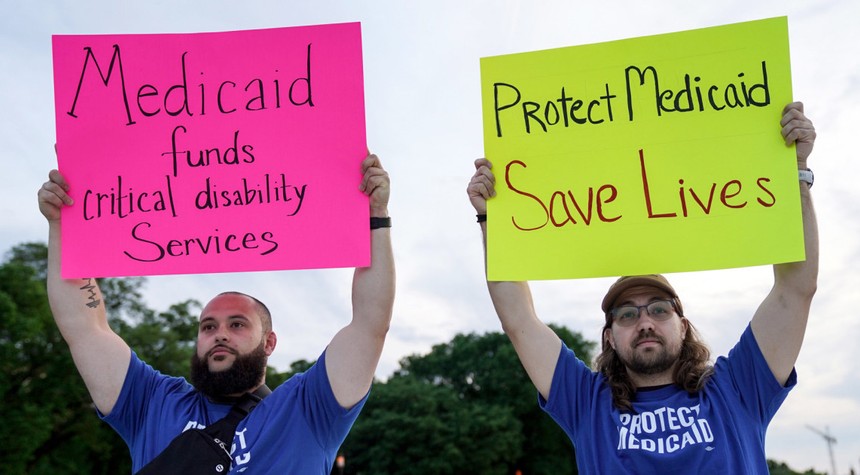
MECHANICSVILLE, Va. — The clock is ticking toward a significant transformation of America’s Medicaid program. In one hundred days, on the first of January, new federal work and reporting requirements will take effect, placing approximately ten million Americans at risk of losing their healthcare coverage.
The changes represent the most substantial revision to the safety net program in decades, and states across the nation are scrambling to prepare for implementation. A new nonprofit organization has launched a two million dollar campaign to help navigate what lies ahead.
The reality of these changes has already arrived in the mailboxes of families like the Stephens family, who reside in a small community outside Richmond, Virginia. On the last day of August, Melanie and Greg Stephens received notice of the new guidelines. For this family, who serve as full-time caregivers to their disabled daughter Rachel, the letter triggered immediate concern.
While the Stephens family qualifies for an exemption from the eighty-hours-per-month work or community service requirement that will affect most eligible adults, they face a different burden. They must prove their exempt status every six months, a process that depends on state workers processing their documentation correctly and on time.
“Our concern is not so much on our part because we are thorough,” Greg Stephens explained. “Once it leaves us and goes to a Medicaid worker to process, that’s where we are concerned they’re going to miss a deadline or fall through the cracks, and we have no control over that.”
The work requirements were enacted as part of comprehensive legislation signed into law by President Donald Trump. Republican supporters championed the measures as necessary steps to address wasteful spending and eliminate fraud within the system. Senate Majority Leader John Thune defended the provisions at the time, stating they were “targeting waste, fraud, and abuse in the program” while ensuring the changes would not harm beneficiaries.
“It doesn’t cut Medicaid,” Thune said in an interview before the Senate vote. “What we’re talking about here is getting rid of waste, fraud and abuse, strengthening and improving the program for the people who need it the most and for whom it was intended, and really making this program more solvent for the long term.”
However, healthcare advocates and some state officials have raised concerns about the practical implementation of these requirements. Virginia Health Secretary Marvin Figueroa described the situation as forcing eligible recipients to fight the government for benefits they are legally entitled to receive.
“I go back to just look at the debate that allowed this bill to pass. This is a predictable surprise,” Figueroa noted. “The discussion was about losing coverage, and I think we’re going to see that across the board.”
The crux of the concern lies not in the policy’s intent, but in its execution. Healthcare advocates argue that eligible recipients could lose coverage not because they fail to meet requirements, but because of administrative obstacles and bureaucratic complications inherent in the new verification system.
A nonprofit organization called “Keep Your Care” has launched this week with the specific mission of educating both state administrators and Medicaid recipients about the impending changes. The organization was established through a coalition of healthcare advocacy groups and represents an independent effort to ensure the transition proceeds as smoothly as possible.
As the January deadline approaches, the nation watches to see whether these reforms will achieve their stated goal of improving program efficiency, or whether millions of Americans will find themselves navigating a more complex system that inadvertently denies them coverage they legitimately deserve. That is the way it is.
Related: Grand Jury Declines to Indict Anyone in Death of Nolan Wells
