
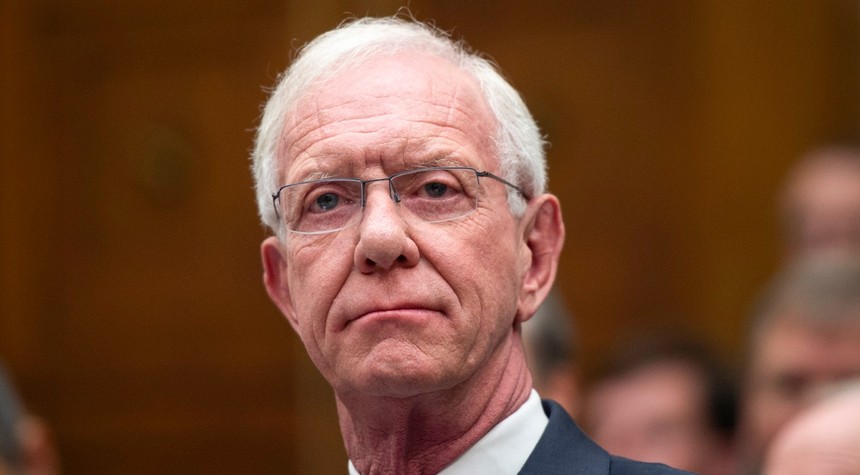
Captain Chesley “Sully” Sullenberger, the retired pilot who became an American hero after safely landing a disabled commercial airliner on the Hudson River in 2009, has spoken publicly for the first time about his recent Alzheimer’s disease diagnosis.
In an interview this week, the 75-year-old Sullenberger approached his medical condition with the same measured determination that saved 155 lives during what became known as “The Miracle on the Hudson.” When asked to compare his current challenge to that fateful day in January 2009, Sullenberger drew a direct parallel in his approach to both crises.
“We had to devise a plan, execute that plan flawlessly for the first time, never having done it before, and save every life in 208 seconds,” Sullenberger recalled of the emergency landing. “Had even one person not survived, I would have considered it a tragic failure.”
He continued, “So I think we are doing the same thing here. We are focusing clearly on the highest priority items first, and we are ignoring everything we do not have time to do.”
The diagnosis, which Sullenberger first revealed in a post on his website in July, came after he began experiencing early warning signs of the disease. These included difficulty recalling names of people he had known for years, forgetting stories he had recently told, and experiencing disrupted sleep patterns.
Sullenberger disclosed that he is currently receiving monthly treatments designed to slow the progression of the condition. Speaking alongside his wife, Lorrie, the couple explained their decision to go public with information they initially intended to keep private.
“This is a disease, not a character flaw,” Mrs. Sullenberger emphasized. “I think we need to talk about it more openly, and maybe other people can do the same.”
The captain himself acknowledged the initial difficulty of accepting the diagnosis. “Why me?” he questioned at first. However, he quickly recognized a broader perspective. “We are not by any means alone,” he reflected. “We are part of this community who are trying to make the best of a bad situation.”
Mrs. Sullenberger noted that the early symptoms were easy to dismiss because they appeared so minor, particularly when compared to the late-stage cases often portrayed in media coverage. This observation led the couple to offer specific advice to others who may be experiencing similar concerns.
“If you have doubts, get tested because the sooner you act, the more options there are, the better the outcome is likely to be,” Sullenberger advised.
The captain’s heroic actions on January 15, 2009, when US Airways Flight 1549 lost both engines following a bird strike shortly after takeoff, transformed him into a symbol of grace under pressure. His successful emergency landing on the Hudson River, with all passengers and crew surviving, exemplified the highest standards of professional aviation and personal courage.
Director Clint Eastwood immortalized these events in the 2016 film “Sully,” with Tom Hanks portraying the veteran pilot.
Now, facing a different kind of challenge, Sullenberger demonstrates once again the qualities that made him a hero: clear-eyed assessment, careful planning, and an unwavering commitment to confront adversity with dignity and purpose. His willingness to speak openly about Alzheimer’s disease serves the public interest and may encourage others facing similar diagnoses to seek early treatment and support.
Related: Sanders and Casar Propose Federal Ban on Artificial Superintelligence
