
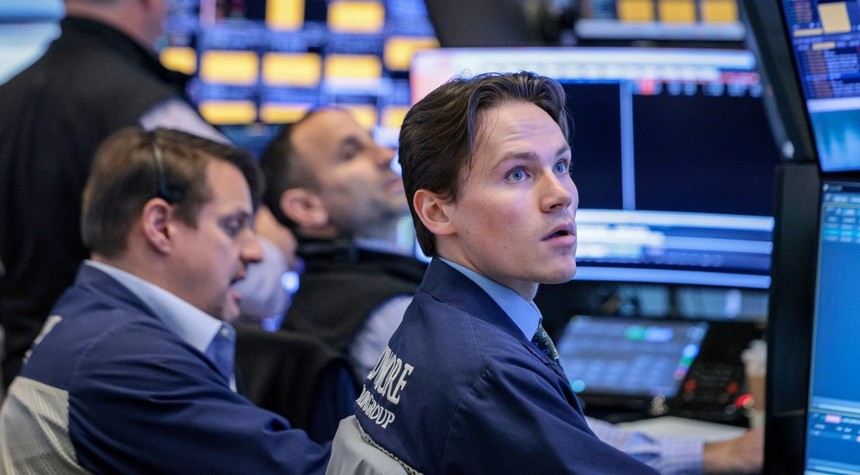
The American stock market finds itself at a crossroads this evening, with investors expressing mounting concern over the viability of the artificial intelligence industry that has powered much of our economic growth over the past year.
Just one week after reaching record highs, the market has begun to retreat. The S&P 500 has declined one percent from its recent peak, while the technology-focused Nasdaq has fallen more than three percent. These numbers, while not catastrophic, represent a significant shift in investor sentiment regarding the trillions of dollars that have flooded into artificial intelligence ventures.
The catalyst for this reassessment came from reports that quarterly revenue growth at Anthropic, one of the leading artificial intelligence companies, has begun to slow. While the company remains profitable and generates nearly seventeen billion dollars in revenue, the deceleration has prompted questions about whether the artificial intelligence sector can sustain the extraordinary valuations that investors have assigned to it.
Additional concerns have emerged regarding competition from Chinese technology firms in the memory chip sector. Despite a global shortage of processing chips driven by artificial intelligence data center construction, analysts worry that mass production from China could create an oversupply, undermining Western manufacturers and depressing prices.
Perhaps most troubling for the market’s immediate future, investors have begun selling bonds that finance artificial intelligence data centers. The fear driving these sales is straightforward: the revenue generated by these facilities may prove insufficient to cover the massive debts incurred in their construction.
Ed Yardeni, a respected economist and market analyst, revised his year-end projection for the S&P 500 downward this week from 8,400 to 7,900. The index currently trades around 7,600. Yardeni cited growing investor caution about artificial intelligence investments, combined with persistent concerns about inflation and interest rates.
The implications of this market shift extend well beyond Wall Street. Nearly half of all American economic growth this year can be attributed to technology-related spending. The artificial intelligence buildout has created what economists call a wealth effect, encouraging consumer spending that has, in turn, supported employment and economic expansion.
Most Americans do not own technology stocks directly, nor do they work in the artificial intelligence field. Yet they have benefited indirectly from the economic activity this investment has generated. Should confidence in artificial intelligence falter, the broader economy could weaken considerably.
Wells Fargo chief executive Charlie Scharf acknowledged the competing forces at work in the economy this week, noting that while higher interest rates, oil prices, and inflation create risks, investment in artificial intelligence infrastructure, employment levels, and wage growth continue to provide substantial support.
However, other economists point to gathering clouds on the horizon. The Bureau of Labor Statistics reported Thursday that inflation among businesses has reached its highest rate since December 2022. Such price increases at the business level typically filter down to consumers within months.
For American families, particularly those in lower and middle-income brackets, the situation remains precarious. While headline economic numbers appear strong, many households continue to struggle with inflation and declining real earnings.
The facts, as they stand this evening, suggest an economy at an inflection point. The artificial intelligence revolution that has captivated investors and driven market gains now faces its first serious test of sustainability.
Related: Trump Reverses Decision to Livestream Fort Hood Shooter’s Execution
