
In Freeport, Maine, a quiet crisis is unfolding as winter approaches and heating oil prices have surged to levels that are forcing working families to make impossible choices.
Chris and Cheryl Oliver, living on approximately $60,000 annually, now face a stark reality that no American family should confront. “Am I going to get food this week, or am I going to get gas this week?” Cheryl Oliver stated plainly. The question is not rhetorical. It is the daily calculation of a household budget stretched beyond breaking.
The numbers tell a sobering story. Heating oil in Maine has climbed from $3.34 per gallon one year ago to $5.97 today. That represents an increase of roughly 79 percent. The timing could scarcely be worse, coinciding with rising diesel and gasoline prices following the outbreak of conflict with Iran.
The Olivers qualified for assistance through a local community center, receiving 100 gallons of heating oil at no cost, a benefit worth approximately $700. Yet even this substantial help will not carry them through the winter months ahead. “I was panicking, like, how are we going to fill our tank and how are we going to stay warm?” Cheryl Oliver said.
This is not an isolated case. According to the U.S. Energy Information Administration, more than 4 million American households rely on heating oil as their primary fuel source. Of those households, 82 percent are concentrated in the Northeast, making this region particularly vulnerable to price shocks.
Tony DiMarco, co-founder of the Freeport Wood Bank, a charitable organization that distributes firewood to families in need, reports that demand has reached unprecedented levels. “I don’t think people fully recognize how big of an impact it’s going to have when heating oil costs twice as much as it did last year, and people are already spending as much as they did last year,” DiMarco explained. “I just don’t think people fully grasp the severity of the problem.”
The Freeport Wood Bank operates on donations and is one of approximately 17 similar organizations across Maine. It can supply roughly 50 families with firewood, but DiMarco projects the supply will be exhausted by mid-winter.
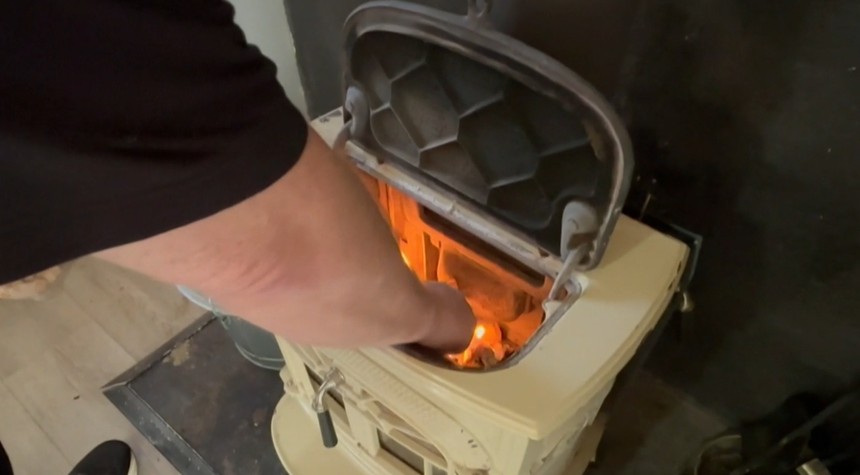
This week, DiMarco delivered two cords of firewood to the Oliver household, providing crucial relief as they attempt to stretch their limited heating oil supply. For the Olivers, this assistance represents more than convenience. It is survival.
Chris Oliver has faced significant health challenges, having lost a leg to diabetes and subsequently suffering a heart attack. The family’s medical burdens compound their financial struggles. “Tony and that place, they’re unbelievable,” Chris Oliver said, visibly moved. “I don’t know without them if we’d have heat.”
As winter deepens and temperatures fall, the question facing policymakers and communities alike is clear: How many American families will be forced to choose between heating their homes and meeting other basic needs? The answer, unfortunately, appears to be far too many.
Related: Supreme Court to Decide Whether Cooking for Terrorists Bars Asylum Claims
