
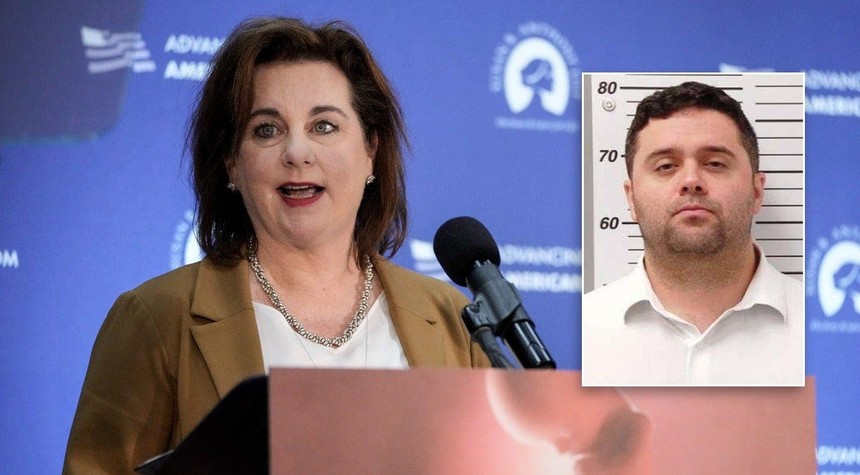
The case of an Ohio doctor who received merely six months in prison for forcing abortion drugs on his pregnant girlfriend has sparked calls for legislative action and raised serious questions about whether current laws adequately protect women from such predatory behavior.
Hassan-James Abbas, a surgical resident at the University of Toledo, was sentenced earlier this month after admitting to forcibly administering abortion pills to Jona Affholder in December 2024. The incident resulted in the loss of her wanted pregnancy and has become a focal point in discussions about the darker implications of expanded abortion medication access.
According to prosecutors, Abbas began dating Affholder in October 2024. When she became pregnant in December and made clear her intention to keep the baby, Abbas took matters into his own hands. Using his estranged wife’s identification, he illegally obtained mifepristone and misoprostol, the two-drug combination used to terminate early pregnancies.
The details of what followed are disturbing. Prosecutors say Abbas invited Affholder to his Holland, Ohio residence on December 18, 2024, where he physically restrained her, climbed on top of her, and forced crushed abortion pills into her mouth. When she attempted to call emergency services, he took the phone from her hand and disconnected the call. Affholder eventually escaped and reached a hospital, but the intervention came too late to save her pregnancy.
The light sentence has drawn sharp criticism from pro-life advocates who argue it reflects a troubling gap in legal protections. Marjorie Dannenfelser, president of SBA Pro-Life America, has been particularly vocal in calling for action from both lawmakers and the Department of Justice.
“The fact that this individual received only six months in prison for his crime speaks volumes about the state of our culture right now,” Dannenfelser stated. “This was a very much wanted pregnancy. She could support the baby on her own and did not need his help. But he had other ideas in mind.”
Dannenfelser’s concerns extend beyond this single case. She contends that American law has failed to keep pace with the growing availability of abortion medication, creating an environment where those who use these drugs to violate women’s reproductive autonomy face consequences that do not match the severity of their actions.
Current regulations from the Food and Drug Administration have made abortion pills increasingly accessible. Patients no longer need to see a physician in person to receive a prescription. Instead, mifepristone can be prescribed after a telehealth visit and delivered by mail through a certified pharmacy. While these measures were intended to expand access for women seeking abortions, critics argue they have created new vulnerabilities that bad actors can exploit.
The case raises fundamental questions about consent, bodily autonomy, and the unintended consequences of policy decisions made with different objectives in mind. A wanted pregnancy was terminated against a woman’s will, yet the perpetrator will serve a sentence measured in months rather than years.
As this case demonstrates, the availability of powerful medications without corresponding legal frameworks to prevent their misuse can have devastating consequences. The question now facing legislators is whether they will act to close these gaps before more women find themselves in similar circumstances.
Related: Diplomatic Tensions Escalate Between New York City Hall and Israeli Leadership
