
President Donald Trump signed an executive order Thursday declaring a national emergency over the Cuban regime, establishing new authority to impose tariffs on any nation that provides oil to the communist government in Havana.
The measure represents a significant escalation in American policy toward Cuba, granting the administration broad powers to levy additional duties on imports from countries that directly or indirectly supply petroleum products to the island nation. The White House framed the action as necessary to counter what it described as Cuba’s destabilizing influence throughout the Western Hemisphere and its alignment with hostile foreign powers.
The executive order authorizes the Secretaries of State and Commerce to implement the tariff system and issue guidance as needed. The president retains authority to modify or rescind the measures should Cuba or affected nations take meaningful steps to address American security concerns or align their policies with United States interests.
According to the administration, the Cuban regime presents an “unusual and extraordinary threat” to American national security. The White House cited Cuba’s hosting of foreign military and intelligence operations, most notably what it identified as Russia’s largest overseas signals intelligence facility, which the administration says focuses on collecting sensitive information related to United States national security.
The order further accuses Havana of providing support to transnational terrorist organizations, including Hezbollah and Hamas, while actively working to undermine American sanctions and sow instability across the region. The administration also pointed to Cuba’s record on human rights, charging the regime with persecuting political dissidents, suppressing freedoms of speech and press, and enriching itself through corruption while exporting communist ideology to neighboring countries.
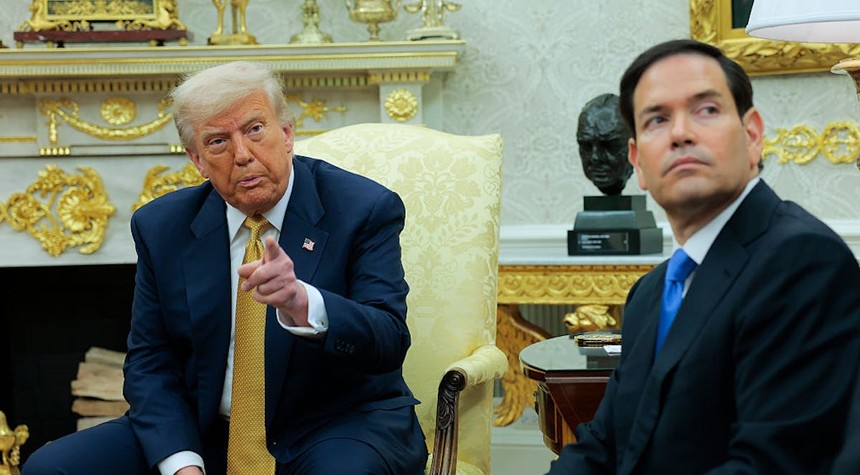
Secretary of State Marco Rubio addressed the administration’s position Wednesday, stating plainly that the United States would welcome political transformation in Cuba. “I think we would love to see the regime change,” Rubio said. “That doesn’t mean that we’re going to make a change, but we would love to see a change. There’s no doubt about the fact that it would be of great benefit to the United States if Cuba was no longer governed by an autocratic regime.”
President Trump offered his own assessment Tuesday, suggesting the Cuban government faces an uncertain future. “Cuba will be failing pretty soon,” the president said.
The executive order forms part of a broader administration strategy to confront regimes it identifies as threats to American security and interests. By targeting the oil supply chain that sustains the Cuban economy, the administration appears to be applying economic pressure designed to force either policy changes or internal political shifts within the island nation.
The practical effect of these measures will depend largely on implementation. Countries that maintain oil trade with Cuba now face the prospect of American tariffs on their exports to the United States, potentially forcing difficult choices between maintaining relations with Havana and preserving access to American markets.
The approach marks a departure from the engagement policies pursued by previous administrations and signals a return to more confrontational posture toward the communist regime that has governed Cuba for more than six decades.
Related: Two Men Charged After Reckless Gunfire on Dallas Bridge Sparks National Attention
