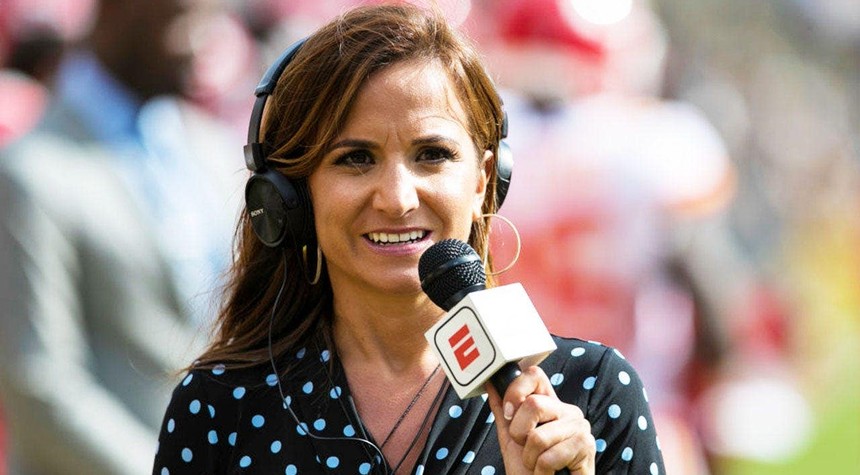
The National Football League finds itself once again navigating the intersection of professional conduct and personal relationships, as New England Patriots head coach Mike Vrabel addressed allegations regarding his connection to former NFL insider Dianna Russini.
The matter came to public attention following an extensive investigation published this week, which detailed allegations of a relationship between Vrabel and Russini during their respective tenures in professional football. The report, spanning some 5,000 words, raised questions about journalistic ethics and potential conflicts of interest in sports reporting.
According to the investigation, sources indicated that Russini and Vrabel conducted themselves in a manner described as “very flagrant” during their association. The exact nature of this characterization remains unclear, though it suggests a level of openness that concerned colleagues and observers within the industry.
The report also disclosed that Russini commanded a salary of approximately $800,000 during her time as an NFL insider, a figure that underscores the significant financial stakes involved in sports journalism at the highest levels. The investigation further detailed what were characterized as tense exchanges between Russini and her former colleagues who contributed to the report.
What makes this situation particularly noteworthy is the timing and the parties involved. Vrabel, who recently assumed leadership of one of the NFL’s most storied franchises, now faces scrutiny that extends beyond his coaching credentials. The Patriots organization, still recovering from various controversies in recent years, finds itself managing yet another public relations challenge.
Additionally, the report made reference to Patriots owner Robert Kraft and suggestions of attempts to contain information related to previous organizational matters. These allegations, while not fully detailed in available accounts, add another layer of complexity to an already complicated narrative.
The broader implications for sports journalism merit serious consideration. When reporters covering professional sports leagues develop personal relationships with coaches or executives, questions naturally arise about the integrity of their reporting and whether such relationships compromise their ability to maintain objectivity. These concerns are not merely theoretical but strike at the heart of journalistic standards.
For the Patriots organization, this represents an unwelcome distraction as Vrabel works to establish his leadership and prepare for the upcoming season. The franchise has invested considerable resources and reputation in bringing Vrabel aboard, and organizational leadership will need to determine how to address these allegations while maintaining focus on football operations.
The NFL has not issued official comment on the matter, consistent with its typical approach to personal conduct issues that do not directly involve on-field activities or clear violations of league policy. However, the league’s handling of similar situations in the past suggests that it will monitor developments closely.
As this story continues to develop, the facts remain paramount. What began as whispers within industry circles has now become a matter of public record, demanding responses from all parties involved. The coming weeks will likely bring additional clarity as those named address the allegations directly and provide their own accounts of events.
For now, the focus returns to where it belongs: on the field, where Vrabel must prove his worth as a head coach, and in newsrooms, where standards of journalistic integrity must be maintained regardless of personal complications.
Related: Great American State Fair Opens on National Mall to Mark Nation’s 250th Anniversary