
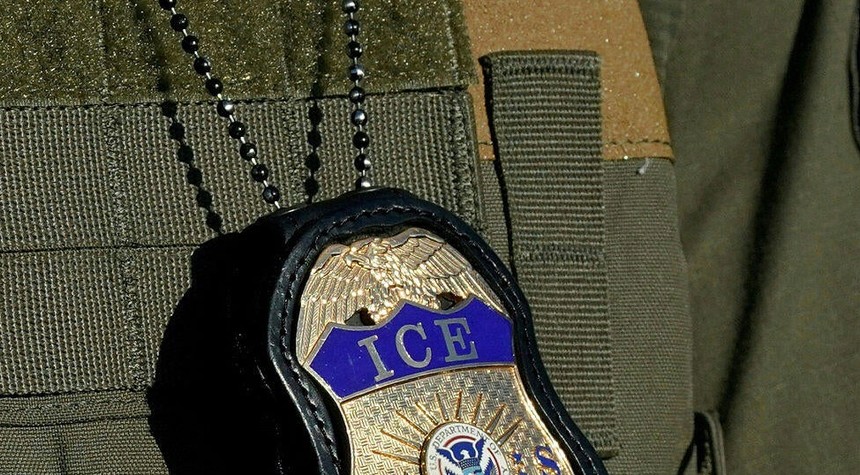
The Department of Homeland Security has announced plans to equip Immigration and Customs Enforcement officers with specialized gloves capable of delivering electric shocks to gain compliance from resistant individuals during enforcement operations.
According to a notice published Monday, ICE intends to spend between ten and twenty million dollars to purchase what the agency terms “conductive distraction and de-escalation devices” by March. The equipment in question is the G.L.O.V.E., an acronym for Generated Low Output Voltage Emitter, manufactured by Compliant Technologies of Lexington, Kentucky.
The department has indicated it may issue a no-bid contract for the devices as early as this Friday. Neither DHS nor Compliant Technologies provided comment when contacted about the planned acquisition. Jeff Niklaus, founder and chief executive of Compliant Technologies, declined to discuss the matter.
According to the manufacturer’s specifications, the devices function as standard patrol gloves until an officer activates their electrical capability via a switch. The gloves must make direct contact with bare skin to deliver what the company describes as a pain stimulus designed to secure compliance within seconds.
John Peters, president of the Institute for the Prevention of In-Custody Deaths, who has studied the device’s deployment, characterized the sensation as immediate and sharp, comparable to a bee sting. Peters suggested the purchase would likely represent the largest order the company has received to date.
“For smaller officers or weaker officers or older officers, I think it has a great advantage because it can produce faster takedowns and shorten confrontations,” Peters explained. He indicated the gloves could prove useful when removing uncooperative individuals from vehicles or residences, as well as during transfers in and out of detention facilities.
The manufacturer has established specific guidelines for the device’s use, explicitly warning against deployment as punishment or in response to mere verbal defiance. The company further cautions against use on vulnerable populations including children, pregnant women, the elderly, and disabled individuals.
The planned acquisition has drawn sharp criticism from civil liberties organizations. Jenn Rolnick Borchetta, deputy project director on policing at the American Civil Liberties Union, questioned both the necessity of such devices for civil immigration enforcement and the likelihood they would be used appropriately.
Borchetta noted that individuals subjected to the devices would receive no advance warning before experiencing the electrical shock. She pointed to what she characterized as ICE’s pattern of excessive force during the current administration’s immigration enforcement operations.
The devices have seen limited deployment in recent years among certain police departments and correctional facilities. However, this procurement would mark their introduction into federal immigration enforcement on a significant scale.
The no-bid contract process raises additional questions about oversight and procurement procedures. Such contracts typically bypass competitive bidding requirements, though the circumstances justifying this approach in the current situation remain unclear.
As the March deadline approaches, the debate over these devices reflects broader tensions surrounding immigration enforcement methods and the appropriate use of force by federal officers. The substantial investment signals a significant shift in ICE’s approach to managing physical resistance during enforcement operations.
The American public, along with members of Congress, will be watching closely to see whether additional safeguards or oversight mechanisms accompany this new capability for federal immigration officers.
Related: Scharf to Replace Warrington as White House Counsel
