
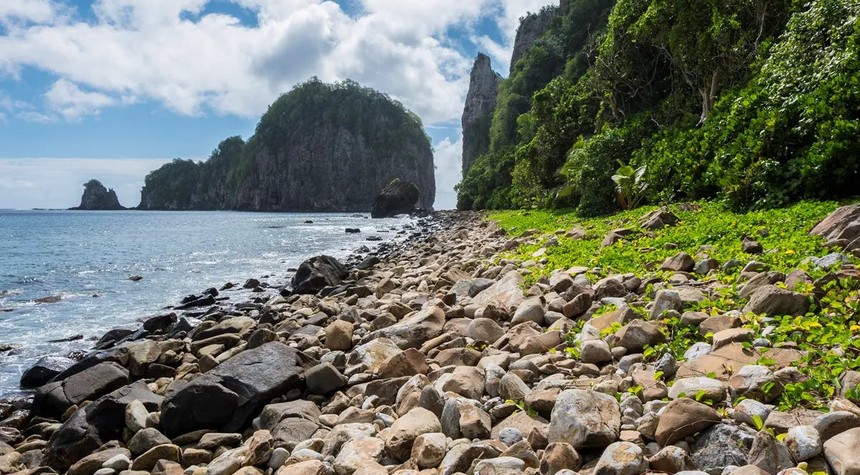
The National Park of American Samoa stands as the only national park in the United States requiring visitors to present either a valid passport or certified birth certificate before entry, a consequence of its unique geographic location thousands of miles from the continental United States.
Situated 2,600 miles southwest of Hawaii in the South Pacific Ocean, this secluded sanctuary spans three islands: Tutuila, Ofu, and Ta’ū. The park’s remote location necessitates that all visitors arrive through Pago Pago International Airport, where they must demonstrate United States citizenship or nationality as a condition of entry.
According to the Department of the Interior, the limited transportation infrastructure serving these islands makes the citizenship verification requirement a practical necessity. Unlike the nation’s other national parks, there exists no casual drive-up access. Every visitor must make a deliberate journey across vast ocean expanses to reach this American territory.
The park itself offers no admission fees and remains open throughout the year, though the timing of one’s visit matters considerably. The National Park Service indicates that the wet season, spanning October through May, brings regular rainstorms to the islands. Those seeking optimal conditions for outdoor recreation should plan their visits during the dry season from June through September, when hiking and beach activities prove most enjoyable. Visitors should nevertheless prepare for persistent humidity and warm temperatures regardless of season.
What awaits those willing to make the journey is a natural wonder of remarkable scope. The park encompasses more than 4,000 acres of underwater landscape, creating a marine environment of exceptional diversity. The National Park Service documents the presence of 800 species of fish and 200 varieties of coral within these protected waters. Humpback whales migrate through the area, sea turtles nest along the shores, and the islands support populations of flying foxes, a native species found nowhere else in American territory.
The terrestrial portions of the park offer equally compelling attractions. Scenic mountain trails wind through the islands’ interior, while coastal paths provide spectacular ocean views. Traditional Samoan villages dot the landscape, offering glimpses into the cultural heritage of these islands. Rainforest hikes lead adventurers through dense tropical vegetation, and white sand beaches invite relaxation. For those drawn to underwater exploration, the coral reefs surrounding the islands provide world-class snorkeling opportunities.
The National Park Service maintains detailed packing and safety recommendations for prospective visitors, acknowledging the unique challenges posed by the park’s isolation. “Visiting the National Park of American Samoa is a unique and unforgettable experience,” the service states, emphasizing the importance of proper preparation.
For Americans seeking to explore the full breadth of their nation’s natural treasures, this remote Pacific outpost represents both a logistical challenge and an extraordinary opportunity. The citizenship requirement, while unusual among national parks, serves as a reminder that American Samoa, though distant, remains an integral part of the United States.
Related: IndyCar Series Prepares for Historic Race Through Nation’s Capital
