
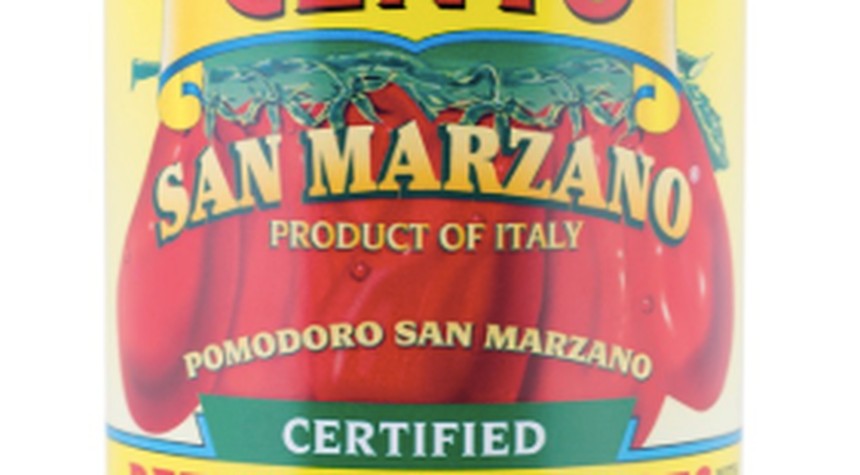
Two California residents have filed suit against Cento Fine Foods, a New Jersey-based food distributor, alleging the company has misrepresented the authenticity of tomatoes sold under its “Certified San Marzano” label.
The plaintiffs contend that Cento has engaged in what they characterize as “tomato fraud” by marketing canned tomatoes as genuine San Marzano variety from Italy when the products allegedly lack the quality and taste associated with the authentic fruit. The lawsuit describes the company’s labeling practices as “false, misleading and unfair.”
At the heart of the dispute lies a question of certification. Cento Fine Foods states on its website that its San Marzano tomatoes receive certification from Agri-Cert, an independent third-party agency. However, the lawsuit alleges that the company’s label design suggests the product carries an official DOP designation, which stands for “protected designation of origin.”
This DOP label represents a significant distinction in the world of Italian food products. The designation is granted exclusively by Il Consorzio di Tutela del Pomodoro San Marzano DOP, an Italian consortium that both promotes and regulates the sale of San Marzano tomatoes. According to the lawsuit, tomatoes bearing this designation must meet “strict production and quality standards.”
The plaintiffs argue that Cento’s labeling has been deliberately designed to “falsely convey they are the famous San Marzano tomato grown in the traditional method and certified by [the] Consortium.”
Cento Fine Foods did not respond to requests for comment regarding the allegations.
On its website, the company describes San Marzano tomatoes as originating from the town of the same name in the Campania region of southern Italy. The company characterizes these tomatoes as having “a thicker tomato wall, fewer seeds and less acidity than other tomatoes, making them ideal for authentic Italian cuisine.”
Cento claims to be the only American company operating a production facility in the region. The company also states that customers can trace the exact field where their tomatoes were grown by scanning the lot code printed on each can.
This legal challenge is not the first time questions have been raised about Cento’s tomato products, though the lawsuit does not elaborate on previous controversies.
The case highlights broader concerns about food labeling and authenticity in an increasingly global marketplace. As consumers become more discerning about the origins and quality of their food products, questions of proper certification and accurate labeling have taken on greater significance. The outcome of this lawsuit may have implications for how specialty food products are marketed and labeled throughout the industry.
The San Marzano tomato has long held a prestigious position among culinary professionals and home cooks who value authentic Italian ingredients. Whether Cento’s products meet the standards associated with that reputation will ultimately be determined in court.
Related: Trump Restores Performance-Based Presidential Fitness Test to American Schools
