
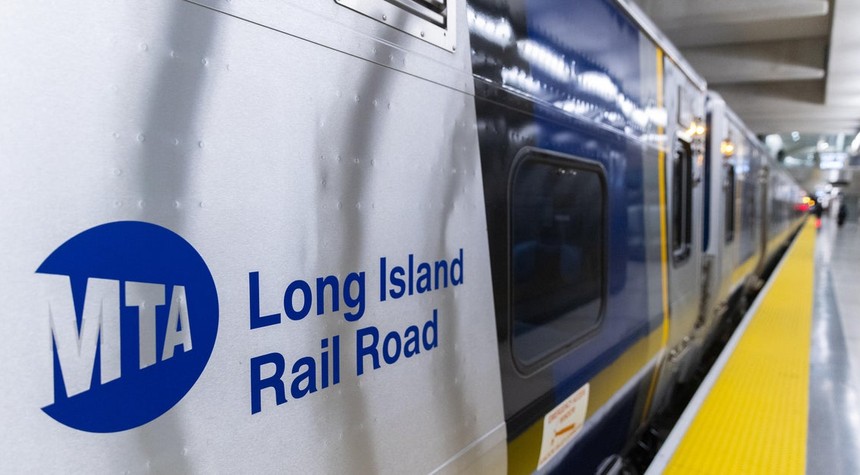
The three-day strike that brought the Long Island Rail Road to a standstill has come to an end. Late Monday evening, the Metropolitan Transportation Authority and five labor unions representing railroad workers reached a tentative agreement, paving the way for service to resume on the nation’s largest commuter rail system.
New York Governor Kathy Hochul announced the breakthrough shortly before 9 p.m., stating that the agreement delivers wage increases for workers while maintaining fiscal responsibility for riders and taxpayers. The governor confirmed that phased service would begin Tuesday at noon.
The work stoppage, which began at midnight Saturday, affected approximately 300,000 daily commuters who depend on the LIRR for transportation. Some 3,500 unionized workers had walked off the job, paralyzing a critical artery of the New York metropolitan area’s transportation infrastructure.
MTA Chief Executive Officer Janno Lieber addressed the resolution at a news conference outside the authority’s Lower Manhattan headquarters. He clarified that while the strike would officially conclude at midnight Tuesday, morning commuters would not yet have access to train service. Workers began reporting back to their positions Monday evening to prepare for the resumption of operations.
LIRR President Robert Free outlined the initial service restoration plan. Beginning Tuesday at noon, the railroad will operate hourly service on four major branches: Port Washington, Huntington, Ronkonkoma, and Babylon. This represents a measured approach to bringing the system back to full capacity.
The negotiations extended throughout the weekend and into Monday, with both sides working to resolve differences that had led to the impasse. The tentative agreement now requires ratification by union membership, though details of the contract terms have not been publicly disclosed.
The strike’s impact on the regional economy and daily life cannot be understated. The LIRR serves as a vital link for hundreds of thousands of workers traveling between Long Island and New York City. The three-day disruption forced commuters to seek alternative transportation methods, including personal vehicles, buses, and other rail services, creating significant strain on an already congested transportation network.
This labor dispute highlights the ongoing challenges facing public transportation systems nationwide as they balance the legitimate demands of their workforce with the financial constraints of operating large-scale transit infrastructure. The resolution demonstrates that even in difficult circumstances, negotiation and compromise remain possible.
As service returns to the Long Island Rail Road, commuters and officials alike will be watching closely to ensure a smooth transition back to normal operations. The full restoration of service will take time, but the end of this strike marks an important step forward for the hundreds of thousands who depend on this critical transportation system.
Related: Beachgoers’ Video Leads to Arrest in Hawaiian Monk Seal Harassment Case
