The family of an Indian tourist who died in a tragic accident involving a horse-drawn carriage in Central Park has filed a notice of claim seeking $105 million in damages from New York City. The incident has renewed questions about the safety of the popular tourist attraction and the city’s oversight of the carriage industry.
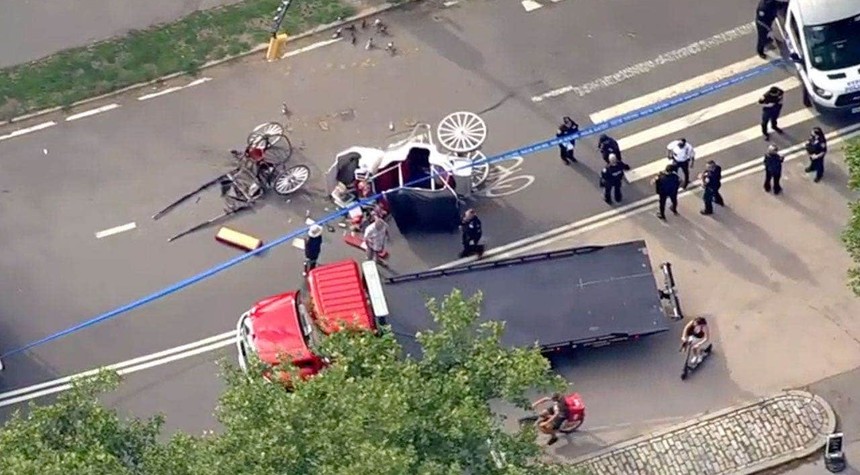
Romanch Mahajan, an 18-year-old visitor from India, suffered fatal head injuries on June 17 when a carriage horse named Sampson bolted near Cherry Hill in Central Park. The young man had been spending the day with his family, photographing Manhattan’s landmarks, when tragedy struck.
According to the family’s legal counsel, the horse suddenly took off while the carriage driver had stopped to take photographs for the Mahajan family. The claim alleges that stray electrical voltage in the area may have startled the animal, causing it to panic and run. The family contends the horse was unsecured at the time of the incident.
Sagar Chadha of Liakas Law, representing the Mahajan family, stated that this was an avoidable accident. The notice of claim describes what the family characterizes as a preventable tragedy that highlights systemic safety failures.
In a video statement played before the New York City Council, Deepak Mahajan, the victim’s father, expressed the family’s belief that their son would still be alive if city lawmakers had acted on proposals to ban horse-drawn carriages. Such proposals have been debated in New York for years, with advocates citing safety concerns for both animals and the public, while carriage operators and some tourism groups have defended the tradition as safe and economically important.
The case raises significant questions about municipal responsibility and the regulation of commercial activities in public spaces. The allegation regarding stray electrical voltage, if substantiated, would point to infrastructure maintenance issues that extend beyond the carriage industry itself.
The notice of claim is a required legal step before filing a lawsuit against a municipality in New York State. It puts the city on notice of the allegations and provides an opportunity for settlement discussions before formal litigation begins. The $105 million figure represents one of the larger claims filed against the city in recent memory for such an incident.
City officials have not yet responded publicly to the specific allegations in the claim. The case will likely undergo a thorough investigation as attorneys for both sides examine the circumstances surrounding the accident, including the condition of the horse, the training and actions of the carriage driver, and the alleged electrical issues in the area.
For the Mahajan family, no amount of compensation can restore what they have lost. Their son traveled thousands of miles to experience the wonders of New York City, only to lose his life in what should have been a pleasant afternoon activity. The outcome of their claim may well influence the ongoing debate about whether horse-drawn carriages remain appropriate in a modern urban environment.
Related: Eight-Foot Python Survives School Fire That Destroyed Science Classroom