
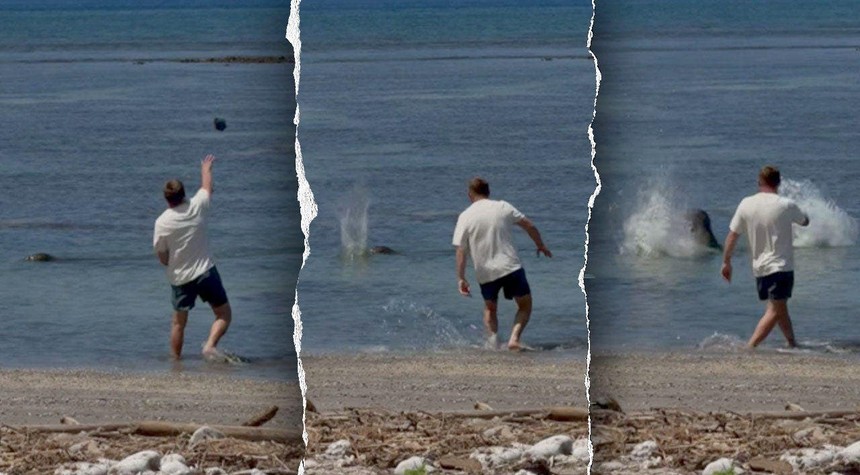
A Washington state businessman is facing federal charges after allegedly throwing a rock at an endangered Hawaiian monk seal, an incident that was captured on video by witnesses and subsequently circulated widely online.
Igor Mykhaylovych Lytvynchuk, 38, of Covington, Washington, was arrested near Seattle last week following the May 5 incident in Hawaii. The Department of Justice has charged him with harassing and attempting to harass an endangered animal, violations that fall under both the Endangered Species Act and the Marine Mammal Protection Act.
The charges carry substantial penalties. If convicted, Lytvynchuk faces up to one year in prison on each count. Additionally, he could be fined up to $50,000 under the Endangered Species Act and up to $20,000 under the Marine Mammal Protection Act.
Hawaiian monk seals represent one of the most critically endangered marine mammals on Earth. With populations that have dwindled to approximately 1,400 individuals, these creatures exist nowhere else in the world except the Hawaiian archipelago. Their precarious status has made them the subject of intensive conservation efforts by federal and state authorities.
The incident reportedly occurred earlier this month when beachgoers witnessed and recorded Lytvynchuk allegedly striking the seal in the head with a rock. The video evidence proved instrumental in identifying the suspect and building the federal case against him.
Lytvynchuk’s attorney has publicly come to his client’s defense following the arrest, though the specific nature of that defense remains unclear as the case proceeds through the judicial system.
Federal wildlife protection laws exist precisely for situations such as this. The Endangered Species Act, enacted in 1973, provides for the protection of species threatened with extinction, while the Marine Mammal Protection Act of 1972 established a federal responsibility for the conservation of marine mammals. Both pieces of legislation carry criminal penalties for violations, reflecting the seriousness with which Congress has viewed threats to vulnerable wildlife populations.
The prosecution of this case demonstrates the federal government’s commitment to enforcing these protections, particularly for species as imperiled as the Hawaiian monk seal. These animals face numerous threats to their survival, including habitat loss, food scarcity, and entanglement in fishing gear. Human harassment represents an additional stressor that conservation officials work diligently to prevent.
As this case moves forward, it will serve as a reminder of the legal consequences that await those who interfere with protected wildlife. The charges against Lytvynchuk underscore a fundamental principle: the protection of endangered species is not merely a matter of environmental policy, but a legal obligation backed by substantial criminal penalties.
The defendant will face these charges in federal court, where the evidence, including the video footage captured by witnesses, will be presented and examined according to the standards of American jurisprudence.
Related: Spencer Pratt Threatens to Leave Los Angeles if Mayoral Bid Fails
