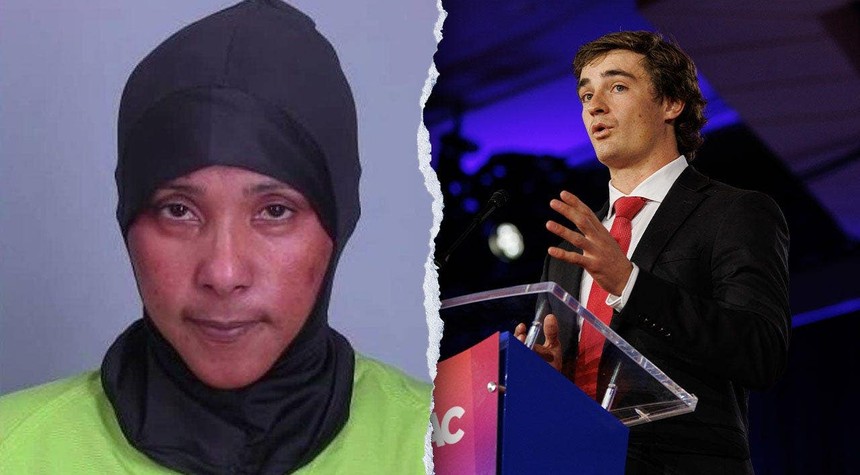
Federal prosecutors have filed additional charges against a Minneapolis daycare owner already facing allegations in what authorities describe as one of the largest pandemic-era fraud schemes in the nation.
Fahima Egeh Mahamud was charged Wednesday with wire fraud and conspiracy to defraud the United States in connection with a separate scheme targeting the Child Care Assistance Program, a federal initiative designed to provide daycare support to low-income families. The new charges come as Mahamud already faces prosecution for her alleged role in the $250 million “Feeding Our Future” fraud case.
According to court documents, Mahamud operated Future Leaders Early Learning, a Minneapolis childcare facility where she served as chief executive officer. Prosecutors allege she fraudulently enrolled the facility in the federal child nutrition program, claiming to serve thousands of meals to children in her care when those services were never provided. The funds, intended to feed vulnerable children, were instead allegedly diverted for personal enrichment.
The case gained renewed public attention after independent journalist Nick Shirley featured Mahamud’s daycare operation in a video that subsequently circulated widely on social media platforms. The video’s viral spread prompted discussions about oversight of federal assistance programs and the mechanisms by which fraudulent activity can persist within government-funded initiatives.
The Child Care Assistance Program fraud represents a second avenue through which Mahamud allegedly exploited federal resources meant for children and families in need. While specific details of the CCAP scheme remain under seal in ongoing court proceedings, the charges indicate a pattern of systematic fraud spanning multiple federal programs designed to serve Minnesota’s most vulnerable populations.
The broader “Feeding Our Future” investigation has already resulted in numerous indictments across Minnesota. Federal authorities have characterized the scheme as an elaborate network of fraudulent claims submitted through a nonprofit organization that was supposed to distribute federal nutrition assistance. Instead, prosecutors allege, participants in the scheme created false documentation to justify reimbursement claims for meals that were never prepared or served.
The case has raised significant questions about program oversight and the balance between providing swift assistance to families in need and implementing sufficient safeguards against fraud. Federal child nutrition programs expanded significantly during the pandemic to address food insecurity, but that expansion also created opportunities for fraudulent actors to exploit loosened administrative requirements.
Mahamud’s case now represents one of the more complex prosecutions emerging from the investigation, as she faces charges related to two distinct federal programs. If convicted on all counts, she could face substantial prison time and be required to make restitution for the allegedly stolen funds.
The investigation remains ongoing, with federal prosecutors indicating that additional charges against other individuals may be forthcoming as authorities continue to trace the flow of fraudulently obtained federal dollars. The case serves as a stark reminder of the challenges inherent in administering large-scale federal assistance programs and the persistent need for robust oversight mechanisms to protect taxpayer resources intended for children and families.
Related: Alabama High School Football Coach Suspended Amid Recruiting Violations