
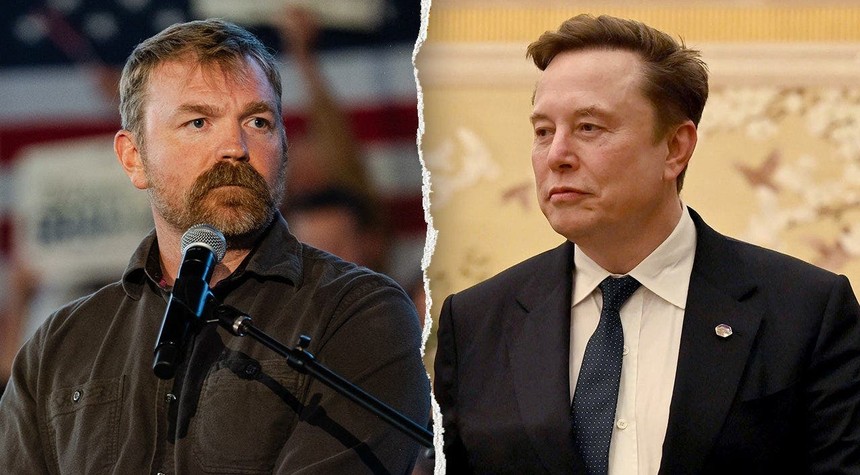
Maine Democratic Senate candidate Graham Platner found himself at the center of considerable criticism this week following remarks about entrepreneur Elon Musk’s historic financial milestone.
Platner took to social media Friday to express his disapproval after Musk became the world’s first individual to achieve trillionaire status. “Elon Musk just became the world’s first trillionaire,” Platner wrote. “Let’s make sure he’s also the last.”
The comment, which garnered more than two million views by Friday evening, came in response to news that SpaceX shares began trading at $150 per share, surpassing the company’s listing price of $135. The valuation pushed Musk’s total net worth past the trillion-dollar threshold, marking an unprecedented achievement in personal wealth accumulation.
Conservative critics were swift in their response, questioning both the sentiment and the implications of Platner’s statement. The candidate’s position raises fundamental questions about the role of government in limiting private enterprise and individual success, particularly when that success stems from innovation in space exploration and electric vehicle technology.
This latest controversy adds to a growing list of concerns surrounding Platner’s candidacy. The candidate has faced scrutiny over allegations from a former girlfriend regarding a tattoo she claims represents anti-American sentiment. These personal controversies have emerged alongside policy positions that include support for universal healthcare and taxpayer-funded gender-affirming medical procedures.
What merits particular attention is the pattern emerging in modern political discourse. Platner’s campaign illustrates a broader tension within Democratic politics between celebrating entrepreneurial achievement and advocating for wealth redistribution. The question facing Maine voters is whether such rhetoric represents genuine policy conviction or political opportunism designed to appeal to a progressive base.
The timing of Platner’s comment is noteworthy. Musk’s companies have revolutionized multiple industries, from making electric vehicles mainstream to dramatically reducing the cost of space travel. SpaceX has become essential to American space capabilities, regularly launching satellites and transporting astronauts to the International Space Station. These achievements represent precisely the kind of American innovation that has historically been celebrated across the political spectrum.
The candidate’s suggestion that America should ensure Musk remains both the first and last trillionaire raises practical questions about implementation. How would such a policy be enforced? What mechanisms would prevent future entrepreneurs from achieving similar success? These are questions that demand serious consideration from any candidate seeking federal office.
Maine voters will need to weigh whether Platner’s economic philosophy aligns with their vision for the state and the nation. The Senate race in Maine has historically been competitive, with voters demonstrating an independent streak that defies simple partisan categorization.
As the campaign continues, it remains to be seen whether Platner will clarify his position on wealth creation and economic freedom, or whether this statement represents a core conviction that will define his candidacy. What is certain is that his words have crystallized an important debate about the proper relationship between government power and individual achievement in American society.
The facts speak for themselves. The voters will render their judgment in due course.
Related: British Woman Accused of Targeting Vulnerable Malibu Homeowners in Squatting Scheme