A prominent architect of the Make America Healthy Again movement has departed the Trump administration, citing fundamental obstacles in advancing promised reforms to the nation’s food and healthcare systems.
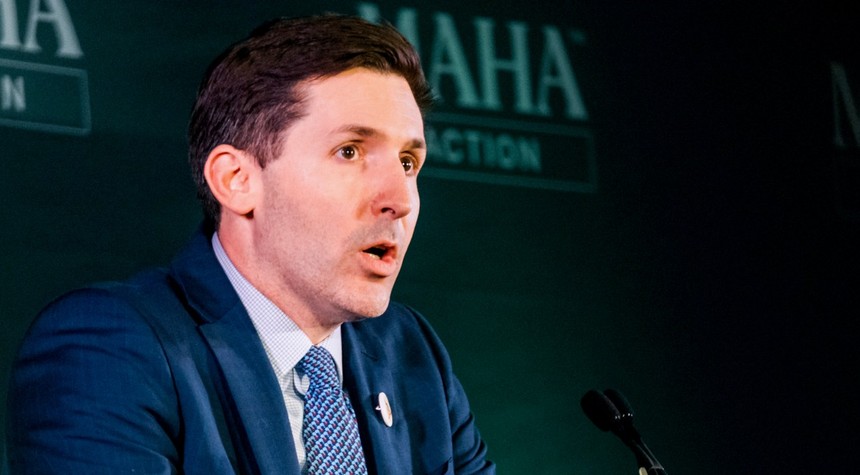
Calley Means, who served as senior adviser to Health Secretary Robert F. Kennedy Jr., submitted his resignation this week after months of mounting frustration over what he characterized as entrenched bureaucratic resistance to change. His departure marks a significant setback for the MAHA initiative, which had generated considerable enthusiasm among voters concerned about corporate influence over American health policy.
“I am resigning from the White House with tremendous respect for President Trump and RFK — two historic figures who are committed to confronting a corrupt DC bureaucracy that is doing everything possible to protect the status quo,” Means stated.
Sources familiar with the resignation indicate that Means had become increasingly disillusioned by the administration’s inability to deliver on key policy objectives. The most significant disappointment involved the failure to establish a federal definition of ultraprocessed foods, a cornerstone of the MAHA platform that administration officials had promised to unveil last August but have yet to release.
Additional policy decisions have created friction between the administration’s actions and MAHA priorities. President Trump signed an executive order to increase the domestic supply of glyphosate, the active ingredient in the herbicide Roundup, a move that directly contradicted the movement’s emphasis on reducing pesticide exposure in American agriculture. The Environmental Protection Agency has simultaneously weakened mercury emissions standards and rolled back drinking water protections against certain PFAS chemicals, commonly known as “forever chemicals.”
Means joined the White House early last year as a special government employee after serving as a key adviser during Kennedy’s 2024 presidential campaign. He later transitioned to a full-time position following his divestiture from Truemed, a wellness company he had founded.
The White House acknowledged Means’ departure diplomatically. Spokesperson Allison Schuster stated that the administration remained “grateful for Calley Means’ time in the Trump Administration. He has done a fantastic job for the MAHA movement.”
However, Means’ frustrations reflect broader discontent within the movement. Earlier this month, several MAHA supporters, including veterans of Kennedy’s presidential campaign, publicly accused the administration of abandoning nearly every commitment made regarding food safety, agricultural policy, and environmental health protections.
The movement’s central premise holds that corporate interests have captured regulatory agencies responsible for safeguarding public health. Supporters had anticipated significant reforms targeting pesticide use, artificial food additives, and vaccine policy frameworks that would prioritize what they describe as individual medical freedom.
A particularly damaging blow to the MAHA agenda came in June when the Supreme Court ruled that Bayer, which manufactures Roundup, bore no obligation to warn consumers about potential cancer risks associated with its products.
With midterm elections approaching in less than two weeks, some disaffected MAHA supporters have indicated they may abstain from voting altogether. Democratic candidates have begun making overtures to this constituency, recognizing an opportunity to capitalize on the administration’s perceived policy failures.
The resignation raises fundamental questions about the administration’s commitment to health and environmental reforms that energized a significant portion of its base. Whether the movement can maintain momentum without Means’ leadership, and whether the administration will recalibrate its approach to these issues, remains uncertain as the political calendar moves forward.
Related: Legal Battle Emerges Over Timeline in Charlie Kirk Assassination Trial