
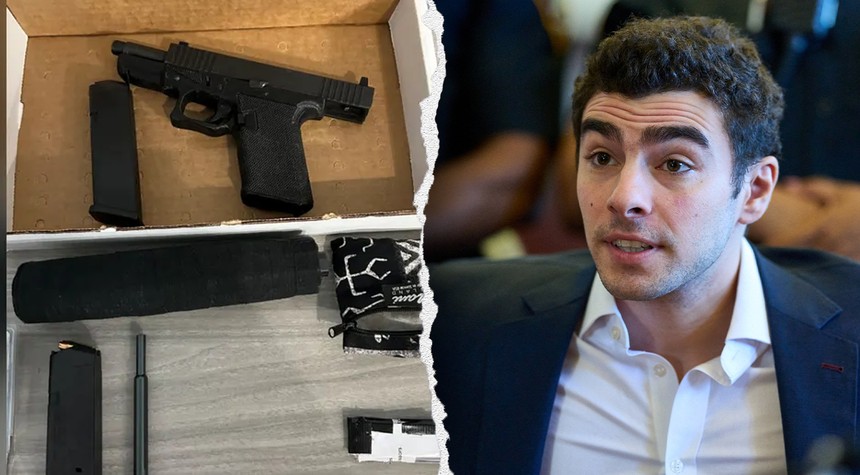
A New York City judge’s decision to admit key evidence in the murder trial of Luigi Mangione has sparked debate among legal experts, even as investigators reveal new details about the unusual weapon allegedly used to kill UnitedHealthcare CEO Brian Thompson.
The evidence in question includes a firearm and notebook recovered from Mangione’s backpack, items that criminal defense attorney Donna Rotunno argues could have implications extending beyond this particular case. The ruling comes amid what some observers are characterizing as extraordinary public attention, with comparisons being drawn to high-profile trials that have captivated the nation in decades past.
Mangione, 28, stands accused of the December 4 assassination of Thompson, a 50-year-old father of two from Minnesota. The executive was shot outside a Manhattan Hilton hotel on the morning of a scheduled investor conference, an incident captured on surveillance video that has since been analyzed extensively by law enforcement.
What has particularly caught the attention of investigators is the weapon itself. Retired NYPD Detective Sergeant John Griffin, who served with the department’s major crimes unit and participated in the investigation, described the firearm’s suppressor as unlike anything he had encountered in a quarter-century of police work.
“It had something on the front, like a homemade suppressor or silencer-type thing,” Griffin told investigators in a recent interview. The detective’s observation underscores what law enforcement officials characterize as a carefully planned operation, suggesting a level of premeditation that could prove significant in the prosecution’s case.
The sophistication of the weapon and the circumstances of the shooting have led investigators to paint a picture of meticulous planning rather than a crime of opportunity. The homemade nature of the suppressor, in particular, indicates that the perpetrator possessed both technical knowledge and the forethought to construct specialized equipment.
The judicial decision to allow the backpack’s contents into evidence represents a critical juncture in the case. Such rulings often hinge on questions of proper search and seizure procedures, chain of custody, and whether the probative value of evidence outweighs potential prejudicial effects on the jury.
Legal experts note that the admission of physical evidence, particularly items directly linked to the alleged crime, can prove decisive in criminal proceedings. The notebook, in particular, may contain writings that prosecutors believe demonstrate intent or planning, though the specific contents have not been made public.
The case has generated significant public interest, a phenomenon that presents its own challenges for the judicial process. Ensuring an impartial jury and maintaining the integrity of the trial proceedings become more complex when a case captures widespread attention.
As the legal proceedings move forward, the focus remains on whether the prosecution can establish beyond a reasonable doubt that Mangione carried out the carefully orchestrated attack that claimed Thompson’s life on a December morning in Manhattan. The unusual weapon and the evidence recovered from the defendant’s possession will likely feature prominently in that effort.
The trial ahead promises to examine not only the events of that morning but also the planning and preparation that investigators believe preceded it, all under the scrutiny of a public watching closely as justice takes its course.
Related: Disney’s Latest Star Wars Film Signals Continued Disconnect With Core Audience
