
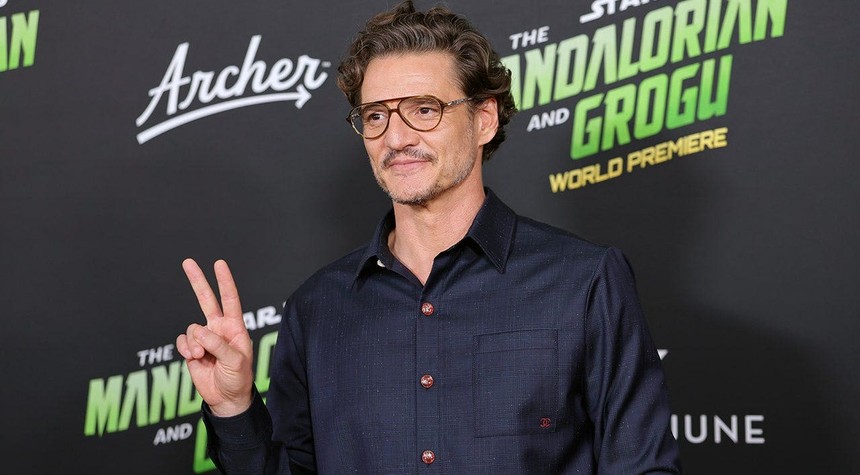
The pattern has become familiar, perhaps even predictable. Another Star Wars production has failed to meet expectations, and once again, questions arise about whether Disney and Lucasfilm understand the audience they are attempting to reach.
Seven years have passed since “The Rise of Skywalker” concluded the sequel trilogy. In that time, Disney and Lucasfilm have worked to revitalize what remains one of cinema’s most valuable franchises. Their latest effort, “The Mandalorian and Grogu,” represents another attempt to recapture the magic that once made Star Wars a cultural phenomenon. Early returns suggest they have not succeeded.
The trajectory of the franchise under Disney’s stewardship tells a revealing story. When “The Force Awakens” arrived in theaters under Lucasfilm president Kathleen Kennedy’s leadership, it achieved remarkable financial success. While the film broke little new ground creatively, it provided what appeared to be a solid foundation upon which to build future installments.
What followed, however, was a steady decline. Each subsequent release in the main trilogy saw diminishing returns, both financially and in audience reception. The reason became increasingly apparent: the studio had no cohesive vision. More critically, there appeared to be a fundamental misunderstanding of what audiences valued about Star Wars in the first place.
The franchise’s struggles extend beyond simple creative missteps. Industry observers and longtime fans have noted a persistent tendency to prioritize contemporary political messaging over the timeless themes of heroism, redemption, and adventure that defined the original films. This approach has alienated significant portions of the core audience, many of whom grew up with the original trilogy and introduced their own children to the saga.
The Mandalorian television series initially offered hope. Its focus on straightforward storytelling and a likable central character resonated with audiences in ways the sequel trilogy had not. The decision to adapt this success into a feature film seemed logical. Yet the underwhelming reception suggests that even this proven property could not overcome the broader concerns about the franchise’s direction.
The situation facing Lucasfilm is not insurmountable, but it requires acknowledgment of what has gone wrong. Audiences have demonstrated repeatedly that they will support Star Wars content when it respects the source material and delivers compelling stories without heavy-handed messaging. They have also shown they will stay away when those elements are absent.
For Disney, the stakes are considerable. Star Wars represents a multi-billion dollar investment and a cornerstone of their entertainment portfolio. The continued underperformance of theatrical releases raises serious questions about the return on that investment and the wisdom of current leadership decisions.
The path forward requires a return to fundamentals: strong characters, coherent storytelling, and respect for the mythology that made Star Wars resonate across generations. Whether current leadership possesses the willingness or ability to make such changes remains to be seen. What is certain is that the audience they need to win back is watching, and waiting, for evidence that lessons have been learned.
Related: Benjamin Hall Plans Tower Climb on Prosthetic Legs to Honor Gold Star Families
