
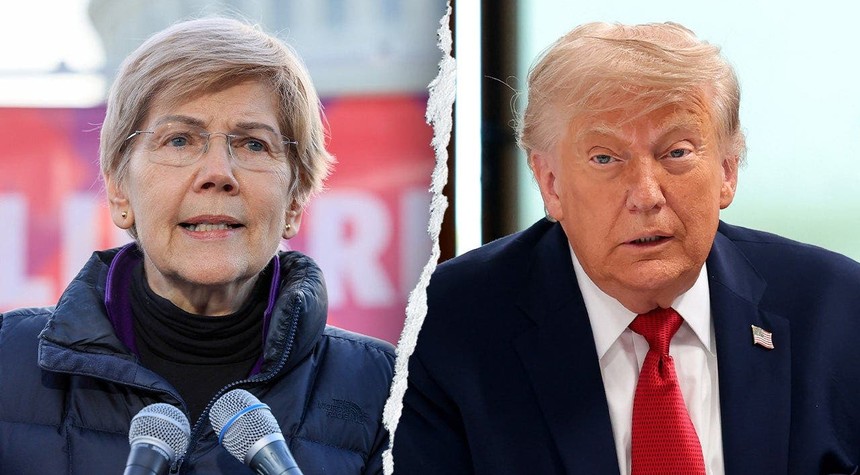
The United States Senate is preparing to vote on comprehensive cryptocurrency legislation during the week of July 20th, marking a significant moment in the federal government’s efforts to regulate digital assets. The CLARITY Act, as it is known, represents ten months of legislative development aimed at establishing regulatory certainty for American cryptocurrency markets.
Senator Cynthia Lummis of Wyoming, who chairs the Senate Digital Assets Subcommittee, has championed the legislation as essential for bringing stability to an industry that has long operated in a regulatory gray area. Proponents argue that passage before the August recess would encourage domestic cryptocurrency businesses to establish operations within American borders rather than seeking more favorable regulatory environments abroad.
The bill spans more than 600 pages and contains provisions that extend well beyond the technical aspects of cryptocurrency regulation. Embedded within the legislation are ethics requirements that have become a focal point of partisan disagreement. These provisions would apply to the President, the Vice President, their spouses, and members of Congress.
The ethics framework includes several specific restrictions. Federal officials would be prohibited from creating their own digital currencies for profit or promoting and endorsing cryptocurrency ventures. The legislation mandates that covered officials either divest their cryptocurrency holdings or place them in a blind trust within one year of the bill’s enactment. Officials would be permitted to own cryptocurrency but must disclose any sales of digital assets.
The White House has indicated its acceptance of these provisions. President Trump has reportedly agreed to either establish a blind trust for his digital asset holdings or divest from his participation in digital assets and companies deriving revenue from such assets.
However, this commitment has not satisfied Democratic senators, who view the provisions as insufficient safeguards against potential conflicts of interest. Senator Elizabeth Warren of Massachusetts has been particularly vocal in her opposition, arguing that the current language fails to prevent the President from profiting through cryptocurrency transactions that she characterizes as potential avenues for corruption.
Senator Lummis has defended the legislation’s approach, emphasizing that the bill was designed to establish long-term ethical standards rather than targeting any single individual. In recent remarks, she explained that the goal was to create rules that would serve all branches of government fairly over time, not merely to address the circumstances of one presidency.
The Wyoming Republican acknowledged the partisan tension surrounding the ethics provisions, noting that many Democrats remain focused specifically on President Trump’s financial interests. She expressed frustration that the President’s willingness to accept divestiture or blind trust requirements has not been sufficient to win Democratic support.
The CLARITY Act represents one of the most ambitious attempts to integrate cryptocurrency into the existing framework of American financial regulation. The cryptocurrency industry has long sought such clarity, arguing that regulatory uncertainty has placed American firms at a competitive disadvantage compared to international rivals operating under more defined rules.
As the Senate prepares for the scheduled vote, the partisan divide over the ethics provisions threatens to overshadow the broader regulatory objectives of the legislation. Whether lawmakers can bridge this gap before the August recess remains to be seen, but the outcome will have significant implications for both the future of cryptocurrency regulation and standards governing executive branch financial conduct.
Related: Seaplane Crash Near Seattle Leaves All 11 Aboard Injured but Alive
