
Israeli military operations in southern Lebanon claimed three more lives Thursday, marking the latest challenge to the fragile ceasefire between Israel and the Iranian-backed militant group Hezbollah.
Lebanon’s state-run National News Agency reported that an Israeli drone struck a vehicle traveling between the towns of Zawtar and Mayfadoun, killing three occupants and wounding a fourth. This incident represents the third deadly strike since Tuesday, bringing the week’s death toll from Israeli attacks to seven.
The timing of these operations is particularly significant. Lebanese and Israeli officials are currently engaged in their fifth round of direct negotiations in Washington, working to solidify the terms of their ceasefire agreement. Israeli military officials have maintained that this week’s strikes targeted Hezbollah operatives who posed direct threats to Israeli forces still operating within southern Lebanon’s border region.
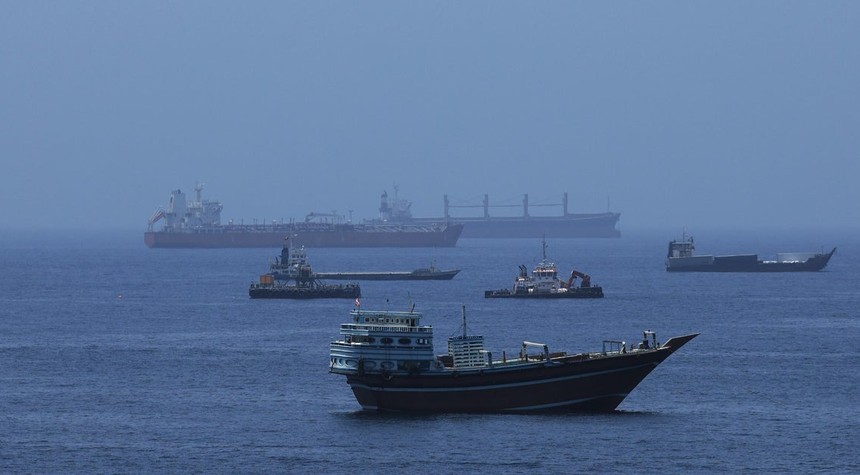
Meanwhile, a separate crisis is unfolding in the Persian Gulf, where Iran’s Revolutionary Guard Corps has begun enforcing strict control over shipping routes through the Strait of Hormuz. This narrow waterway, through which roughly one-fifth of the world’s oil supply passes, has become the latest flashpoint in Middle Eastern tensions.
Maritime tracking data revealed a notable shift in shipping patterns Thursday. Three oil tankers approaching the strait along the southern route near Oman’s coast reversed course, while three additional vessels diverted northward toward Iran’s designated shipping lane along its own coastline.
The Revolutionary Guard Corps issued stern warnings Thursday that all vessels must use only the northern route and coordinate their passage with Iranian authorities. This represents a significant departure from decades of established maritime practice, during which the strait remained open to international shipping without such restrictions.
Maritime intelligence sources indicate that numerous vessels had recently begun favoring the Omani route, likely seeking to avoid Iranian oversight. However, Tehran’s enforcement appears to be having its intended effect.
Oman’s Foreign Minister addressed these developments following discussions with Persian Gulf diplomatic counterparts and American Secretary of State Marco Rubio. Minister Sayyid Badr bin Hamad Al Busaidi sought to clarify that future arrangements for the strait would not include transit fees, apparently attempting to ease concerns about the economic impact of these new controls.
The Omani Foreign Ministry emphasized the sultanate’s support for a recent memorandum of understanding between the United States and Iran, stressing the importance of restoring freedom of navigation through the strait. As a nation whose coastline borders this vital waterway, Oman has acknowledged its special responsibility in supporting international efforts to maintain secure maritime passage.
Iran and Oman have announced plans to establish a joint mechanism for regulating traffic through the strait. This development marks a fundamental shift in the management of a waterway that had operated under principles of free international passage for generations.
These dual crises in Lebanon and the Persian Gulf underscore the complex and interconnected nature of Middle Eastern security challenges. As diplomatic efforts continue in Washington regarding the Lebanese ceasefire, the international community now faces the additional concern of ensuring the free flow of energy supplies through one of the world’s most strategically important maritime passages.
The coming days will prove critical in determining whether these tensions can be managed through diplomatic channels or whether they represent the beginning of more serious confrontations.
Related: Trump Accuses Oil Companies of Price Gouging Despite Falling Crude Prices
