
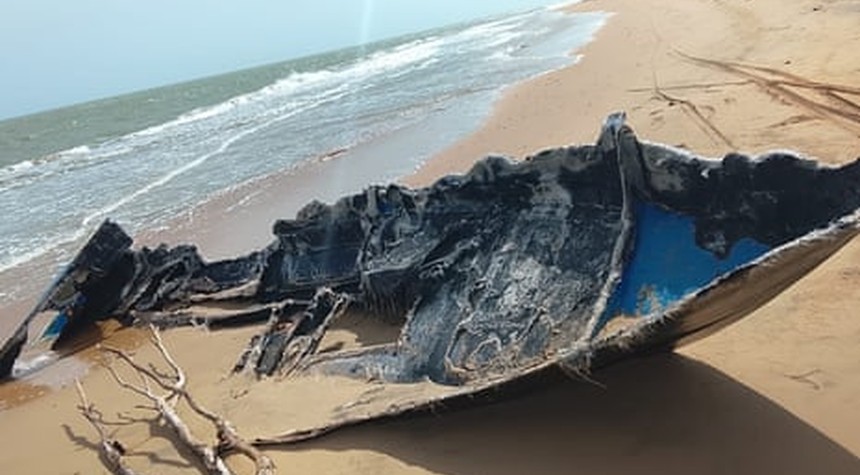
A five-month investigation conducted by journalists across Latin America has identified 13 previously unnamed individuals killed during United States military operations targeting suspected drug trafficking vessels in the Caribbean and eastern Pacific Ocean.
The investigation, coordinated by the Latin American Center for Investigative Journalism, represents the most comprehensive effort to date to document casualties from a campaign that has resulted in approximately 194 deaths since operations intensified during last year’s military posture toward Venezuela.
Prior to this investigation, only three victims had been publicly identified, and those names emerged solely because their families pursued legal action against the federal government. It remains unclear whether American forces conducted identity verification of individuals aboard targeted vessels before engagement.
The Trump administration has maintained that these operations target what it characterizes as “narco-terrorists” transporting illegal narcotics destined for American communities. Administration officials have consistently defended the strikes as necessary measures in the ongoing effort to disrupt drug trafficking networks that threaten national security.
The investigation involved twenty journalists from media organizations across Colombia, Venezuela, Trinidad and Tobago, the United Kingdom, and elsewhere. According to María Teresa Ronderos, director and co-founder of the coordinating organization, the investigation proved extraordinarily challenging due to widespread reluctance among witnesses, relatives, and local officials to provide information.
“Official government sources, prosecutors’ offices—nobody wants to speak because everyone fears damaging relations with the United States and facing retaliation,” Ronderos stated.
The findings indicate that all sixteen victims now identified originated from impoverished communities throughout Latin America and the Caribbean. While some may have participated in drug transportation activities, investigators found no evidence that others had any connection to narcotics trafficking.
Among the identified deceased are eight Venezuelan nationals, including Juan Carlos Fuentes, 43; Luis Ramón Amundarain, 36; and Eduard Hidalgo, 46.
The investigation’s broader findings align with assessments from security analysts who have questioned the operational effectiveness of these interdiction strikes. Evidence suggests the operations have not measurably reduced drug flow into the United States, while simultaneously inflicting significant hardship on coastal communities already struggling with organized crime and limited government services.
Investigators documented instances where entire fishing communities ceased operations for extended periods following nearby strikes, creating food security concerns for populations dependent on maritime commerce for sustenance and livelihood.
Ronderos emphasized that the investigation’s primary achievement was establishing the human dimension of these military operations. “Despite claims that the strikes are fighting narco-terrorism, what is actually happening is that young people living in extremely precarious conditions, doing whatever work they can to support their families, are being targeted,” she said. “The United States is not taking down any Pablo Escobar or Joaquín ‘El Chapo’ Guzmán.”
The investigation represents collaborative work among journalists from multiple organizations, including CasaMacondo, Verdad Abierta, and 360-grados.co from Colombia; Alianza Rebelde Investiga from Venezuela; and the Trinidad and Tobago Guardian. British organization Airwars and Colombian group El Veinte provided technical support.
The vast majority of the 194 reported casualties remain unidentified. Investigators continue efforts to document additional cases, though fear among potential witnesses in affected communities presents ongoing obstacles to comprehensive accounting of civilian casualties in these operations.
Related: Army Recovers Remains of Second Soldier Lost in Morocco Training Exercise
