
The United States House of Representatives passed legislation Wednesday that aims to protect American communities from shouldering the substantial energy costs associated with the expanding data center industry. The Ratepayer Protection Act succeeded with overwhelming bipartisan support, passing by a vote of 417 to 3.
The legislation arrives at a critical juncture as the nation races to maintain its competitive edge in artificial intelligence development while local communities increasingly voice concerns about the financial burden of supporting this technological infrastructure. It represents the first data center-related bill to pass in the 119th Congress and likely stands as one of the final pieces of legislation lawmakers will consider before the November 3 midterm elections.
The bill’s substance is both measured and pragmatic. Rather than imposing bans or strict limitations on data center expansion, it amends the Public Utility Regulatory Policies Act to establish a federal standard that states must consider. Under this framework, large data centers consuming 100 megawatts or more of electricity would bear the full cost of generation, transmission, and distribution upgrades necessary to serve their operations.
Additionally, companies would face requirements to provide financial assurances should a project be canceled or relocated, preventing communities from inheriting abandoned infrastructure costs.
Representative Gabe Evans, the Colorado Republican who sponsored the measure, characterized it as essential protection for American families and small businesses. He emphasized the delicate balance between maintaining America’s technological leadership and protecting citizens from unfair cost burdens. His Democratic co-sponsor, Representative Kathy Castor of Florida, expressed similar concerns about constituents facing escalating electric bills.
The legislative action reflects a broader national debate that has emerged in recent months. Investment analysts have identified at least five key races in the upcoming midterm elections where candidates are proposing various forms of data center regulations and moratoriums. This growing local resistance poses potential complications for the artificial intelligence industry’s continued expansion.
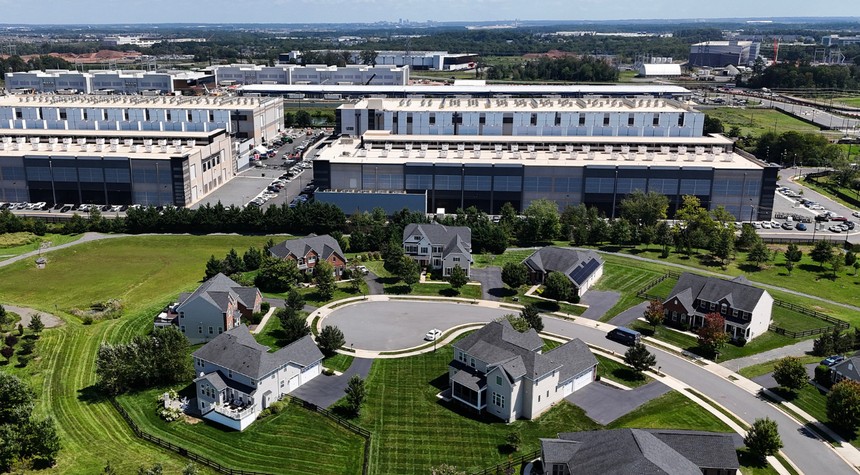
Virginia has emerged as ground zero for this discussion. Northern Virginia now hosts the largest data center market globally, containing approximately 13 percent of worldwide operational capacity. This concentration has made the state a bellwether for how communities nationwide might respond to similar development pressures.
The fundamental question facing policymakers is straightforward: who pays for America’s power boom? As artificial intelligence applications demand ever-increasing amounts of electricity, the infrastructure required to support this growth carries substantial price tags. The debate has transcended typical partisan divisions, uniting lawmakers across the political spectrum in recognition that everyday ratepayers should not subsidize corporate energy consumption.
The legislation does not represent opposition to technological advancement or the data center industry itself. Rather, it reflects a commonsense principle that those who benefit most directly from infrastructure improvements should bear their costs. As Representative Evans noted, America must build the energy infrastructure necessary to compete with adversaries like China, but this construction should not impose unfair burdens on farmers, families, and small business owners.
The bill now moves to the Senate for consideration. Its overwhelming House support suggests strong prospects for eventual passage, though the timeline remains uncertain given the approaching election season.
Related: Texas Carries Out Execution of Man Who Killed Three in Botched Robbery Attempt
