
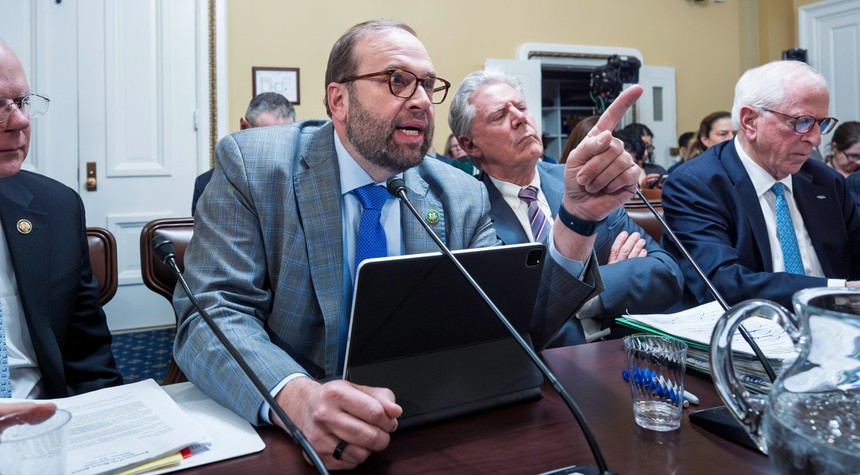
Five chief executives of the nation’s largest health insurance companies will appear before Congress on Thursday to answer questions about rising health care costs, as House Republicans attempt to identify the sources of increasing financial burden on American families.
The executives from UnitedHealth Group, CVS Health Group, Cigna Health Group, Elevance Health, and Ascendiun will testify before both the Energy and Commerce Committee and the Ways and Means Committee in back-to-back sessions.
The hearings arrive at a critical juncture for millions of Americans facing substantially higher insurance premiums. Enhanced Affordable Care Act subsidies expired at the end of last year after Republicans declined to extend them, resulting in sharp premium increases across the country. Neither the House nor the Senate has reached an agreement to address these rising costs, and with the Senate out of session this week and the House preparing for recess next week, legislative relief appears unlikely in the immediate future.
“Insurance companies are an easy target because they make people miserable through prior authorization review and in many other ways,” noted Drew Altman, president and CEO of KFF, a nonpartisan health policy research organization.
The timing of these hearings is significant. President Trump and Congressional Republicans continue to face voter criticism regarding the cost of living, particularly health care expenses. Last week, the President unveiled his health care plan, which proposed redirecting funds currently used for ACA subsidies into health savings accounts. The plan, however, provided limited details and largely restated previously discussed ideas. Most proposals require congressional approval, raising substantial questions about implementation timelines.
Committee Chairs Brett Guthrie of Kentucky and Jason Smith of Missouri have indicated that Thursday’s hearings represent the first in a series examining the “root causes” driving higher health care prices. The President’s recent plan is not expected to dominate the discussion.
Republicans intend to focus considerable attention on the Affordable Care Act itself, which they maintain has significantly contributed to rising health care costs. A hearing document states that the ACA “mandated coverage for individuals regardless of underlying health conditions and largely prohibited plans from underwriting plans at the individual level, effectively increasing health care access and affordability for the unhealthiest Americans but also driving up health care costs for healthier Americans.”
Gideon Lukens, a senior fellow and director of research and data analysis at the Center on Budget and Policy Priorities, a nonpartisan research organization, offered a different perspective. He argued that the ACA resolved critical issues surrounding coverage for people with pre-existing conditions and created a “functional and stable” insurance market.
“Before the ACA, insurers on the individual and small-group markets could deny coverage to people with pre-existing conditions like cancer or diabetes, or could charge them much more,” Lukens explained. “Insurance premiums in these markets often fluctuated widely year to year, and options were limited.”
As these hearings commence, the fundamental question remains whether Congress can move beyond identifying problems to implementing solutions that provide relief to American families struggling with health care costs.
Related: Rubio Returns to Senate Next Week for Venezuela Policy Hearing
