
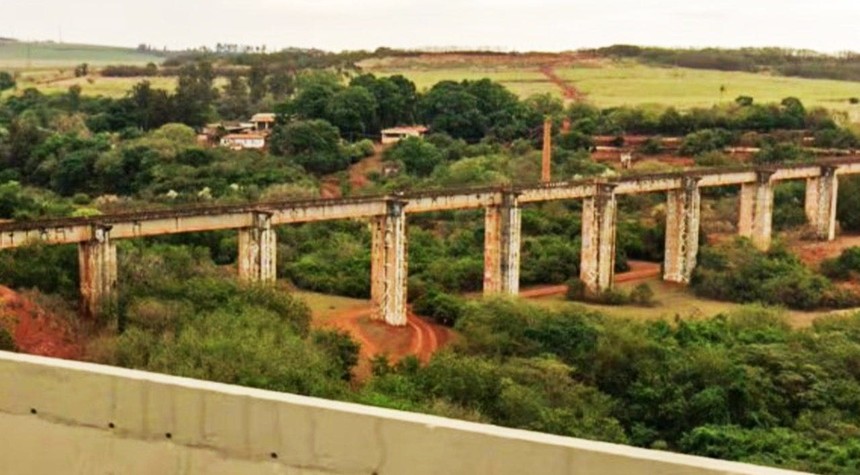
Three rope-jumping instructors in Brazil face potential criminal charges following the death of a 21-year-old woman who fell from a bridge after they failed to attach her safety equipment, according to local authorities.
Maria Eduarda Rodrigues de Freitas, a university student, died Saturday during a rope-jumping event at an abandoned bridge approximately 90 miles northwest of São Paulo. The location, known as Ponte do Esqueleto or “Skeleton Bridge,” has been used for extreme sports activities.
Police investigator Andrea Levy briefed reporters Monday on the findings of the preliminary investigation. According to Levy, all three instructors involved in the jump have acknowledged that Rodrigues de Freitas was not connected to any safety equipment when she was launched from the bridge.
“They do not remember whether they forgot to attach the ropes, or who was supposed to do it, or who failed to check,” Levy stated. “But the fact is the ropes were not attached to her.”
The admission raises serious questions about safety protocols and professional standards in Brazil’s adventure sports industry. Rope jumping, similar to bungee jumping but using different equipment and techniques, requires multiple safety checks before participants are cleared to jump.
The three instructors were taken into custody following the incident. Authorities have not yet announced formal charges, though the investigation continues.
This tragedy underscores the critical importance of safety procedures in extreme sports activities. In such operations, multiple redundancies typically exist to prevent exactly this type of catastrophic failure. The fact that three trained professionals were present yet none ensured the victim’s safety equipment was properly attached suggests a systemic breakdown in procedure.
The case bears similarities to other recent adventure sports tragedies. Earlier this year, a Colorado jury awarded $205 million to the family of a six-year-old boy who fell to his death from a theme park ride, finding that safety protocols had been inadequately followed.
Brazilian authorities have not indicated whether the rope-jumping operation at Skeleton Bridge was properly licensed or whether the instructors held appropriate certifications. These details will likely prove crucial as the investigation proceeds and prosecutors determine what charges, if any, will be filed.
The victim’s family has not issued public statements, and funeral arrangements have not been announced.
This incident serves as a sobering reminder that adventure tourism, while increasingly popular, carries inherent risks that demand the highest standards of professional conduct and safety compliance. When those standards fail, as they apparently did in this case, the consequences can be fatal.
The investigation remains ongoing, and authorities expect to release additional findings in the coming weeks.
Related: Georgia District Judge Faces Impeachment Over Alleged Courthouse Sexual Misconduct
