
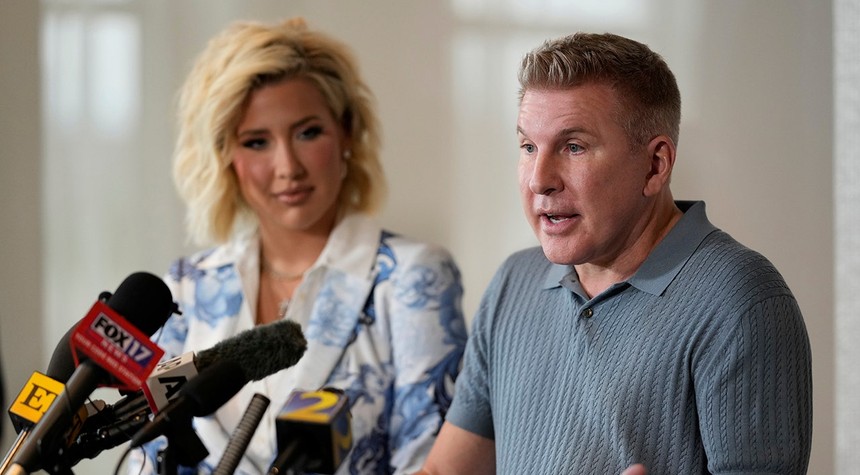
Todd Chrisley has provided a detailed account of the moment he learned President Donald Trump had granted him a pardon, describing an emotional sequence of events that unfolded rapidly within the walls of a federal prison.
The reality television personality, known for his role in “Chrisley Knows Best,” shared his experience during a recent podcast appearance, offering a window into what he characterizes as one of the most significant moments of his life.
According to Chrisley’s account, the notification came while he was returning from the prison library. A corrections officer intercepted him with news that would fundamentally alter his circumstances. The officer informed him that he had received a presidential pardon and would be released within hours.
The gravity of the moment became clear when Chrisley placed a phone call to his daughter, Savannah. “I was crying, and I said, ‘Is it true?’ And she started crying,” Chrisley recalled, describing a conversation marked by disbelief and overwhelming emotion.
The speed of the release process stands out as particularly noteworthy. From notification to departure, Chrisley faced a compressed timeline that gave him little time to process the dramatic change in his legal status. This expedited procedure reflects the immediate effect presidential pardons carry once issued and processed through the appropriate channels.
Todd and Julie Chrisley had been serving sentences related to federal charges. The couple’s legal troubles had been extensively documented in the media, making their case one of the more prominent examples of reality television personalities facing serious legal consequences.
The pardon represents a significant exercise of presidential clemency power. While the Constitution grants the president broad authority to issue pardons for federal offenses, such decisions often generate public discussion about the appropriate use of this executive privilege.
The Chrisleys have begun discussing their experiences publicly, offering their perspective on both the legal proceedings that led to their incarceration and the circumstances surrounding their release. Their willingness to speak openly about these matters provides insight into the personal dimensions of the criminal justice system and the pardon process.
The family’s story continues to evolve as they navigate life following their release. Savannah Chrisley has been particularly vocal about her parents’ situation, having advocated on their behalf throughout their legal challenges.
As the Chrisleys rebuild their lives and public profiles, their case serves as a reminder of the profound impact presidential pardons can have on individuals and families. The emotional weight of such moments, as Chrisley’s account demonstrates, extends beyond the legal technicalities to touch the most fundamental aspects of human experience.
The full details of their post-pardon experiences and reflections on their time in federal custody are expected to emerge as the family continues to share their story with the public.
Related: Kennedy Center Removes Trump’s Name Following Court Decision
