
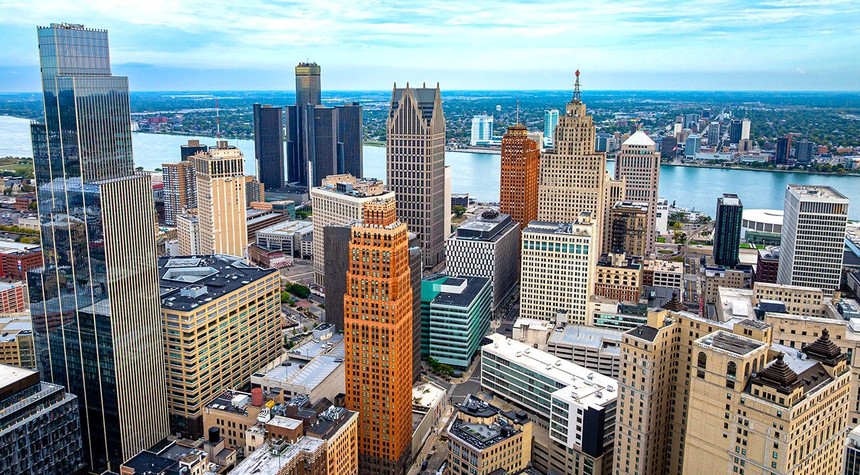
Detroit has entered the ranks of America’s ten most rodent-infested cities for the first time, according to newly released data from a national pest control company that tracks service requests across more than 300 branches nationwide.
The annual ranking, which analyzes rodent control service demands throughout 2025, reveals a persistent urban challenge that continues to affect major metropolitan areas from coast to coast. New York retained its position at the top of the list, followed by Los Angeles in second place. Philadelphia climbed one position to claim third.
The remainder of the top ten includes familiar entries: Houston, Chicago, Washington D.C., Boston, and Dallas all maintained their presence among the nation’s most affected cities. Detroit’s appearance at number ten marks a troubling milestone, having moved up from eleventh place in the previous year’s assessment.
This development comes as no surprise to those familiar with Detroit’s ongoing infrastructure challenges. Municipal records indicate that rodent infestations have been a growing concern among residents in recent years. In 2023, then-City Council President Mary Sheffield documented these complaints in an official memorandum.
“In a recent community meeting that I held, rodent infestations were a main complaint among our residents,” Sheffield noted at the time. She further explained that demolition properties throughout the city had become breeding grounds for rat populations, creating an expanding problem that affected surrounding neighborhoods.
The ranking methodology relies on actual service data rather than population estimates or anecdotal reports, providing a measurable indicator of where Americans are most actively seeking professional help to combat rodent problems. This data-driven approach offers city officials and public health authorities concrete evidence of where intervention efforts may be most needed.
Urban rodent infestations present more than mere nuisance concerns. These pests pose genuine health risks, as they can carry diseases and contaminate food supplies. They also cause property damage through gnawing and nesting activities that can compromise building structures and electrical systems.
The consistency of certain cities appearing on this list year after year suggests that rodent control remains an ongoing challenge rather than a problem with simple solutions. Factors contributing to urban rodent populations include aging infrastructure, inadequate waste management systems, and the abundance of food sources in densely populated areas.
For Detroit, the city’s entry into the top ten reflects broader urban challenges that have accompanied its economic transformation in recent decades. Abandoned properties and demolition sites create ideal habitats for rodent populations to establish themselves and multiply.
As American cities continue to address infrastructure needs and urban renewal projects, the rodent control data serves as one more metric by which to measure quality of life and public health concerns. The question facing municipal leaders in these affected cities is not whether rodent problems exist, but rather what comprehensive strategies can effectively reduce these populations while addressing the underlying conditions that allow them to thrive.
Related: Judge Halts Deportation After ICE Shooting Incident Leaves Illegal Immigrant Wounded
