
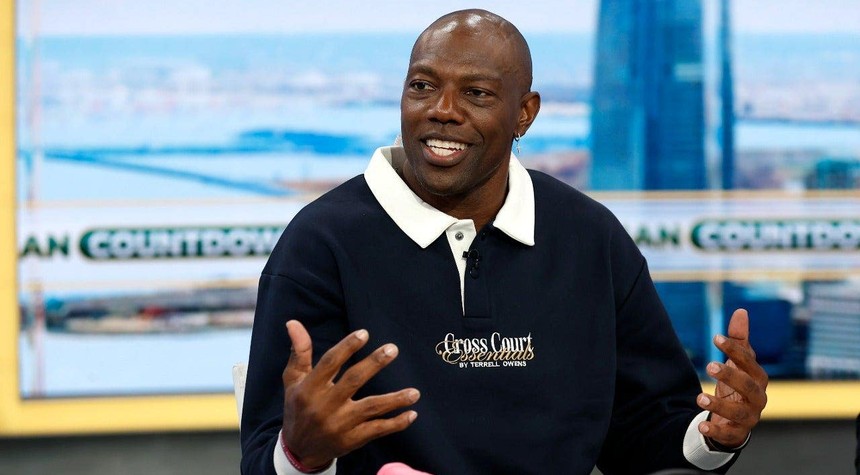
Three friends of Nolan Wells, the Mississippi college student who disappeared during a Fourth of July celebration and was later found dead, have filed a federal defamation lawsuit against former NFL wide receiver Terrell Owens.
The lawsuit, filed Monday in federal court, names Warren Hudson, Jax Pitalo, and Morgan Seymour as plaintiffs. Their fathers filed the suit on their behalf, as all three young men are under 21 and therefore minors under Mississippi law. The suit centers on social media posts made by Owens, a Hall of Fame wide receiver, that the plaintiffs claim falsely accused them of criminal conduct.
The incident in question occurred on July 4, when Wells, an 18-year-old student, traveled by boat with a group of friends to Horn Island off the Mississippi coast. According to Hudson, Pitalo, and Seymour, Wells chose not to return to the mainland with the group because he was talking to a young woman. Wells’ family has disputed this account. His body was discovered two days later off the island’s coast.
In the weeks following Wells’ death, images showing the Black teenager with his white friends circulated widely across social media platforms. Some users began viewing the circumstances surrounding his death through a racial lens, directing suspicion toward his companions.
On September 26, Owens entered the public discourse with a post on the social media platform X, writing “ARREST THEM IMMEDIATELY!!” The post linked to content by an online creator who accused the three young men of deleting messages from Wells’ phone after his death and suggested they may have been responsible for his killing. That post remains online.
The lawsuit challenges the factual basis of these accusations. Andrew Garrett, a digital forensics expert retained by attorney Benjamin Crump, conducted an examination of Wells’ phone. His findings indicated that no one accessed the device between 2:18 p.m. on July 4, when Wells last unlocked it himself, and 3:14 a.m. on July 5, when his parents gained access.
Garrett’s analysis also addressed the Snapchat allegations specifically. He explained that messages on that platform can disappear from a recipient’s phone when the original sender remotely deletes them, a technical detail that undermines claims of tampering by the recipients.
The three friends were subsequently cleared by a grand jury investigation into Wells’ death. Their attorneys have indicated they intend to hold accountable those who made false accusations against their clients online.
In their federal complaint, the young men argue that Owens circulated a demonstrably false narrative about them and publicly accused them of crimes they did not commit. The suit contends that these statements, made to Owens’ substantial social media following, have caused significant harm to their reputations.
The case represents a significant moment in the ongoing national conversation about social media responsibility, particularly when public figures with large platforms weigh in on developing criminal investigations. It also highlights the complexities that arise when cases are tried in the court of public opinion before all facts have been established through proper legal channels.
The lawsuit against the 52-year-old former football star remains pending in federal court.
Related: FBI Arrests Washington Man for Role in Canadian School Shooting That Killed Eight
