
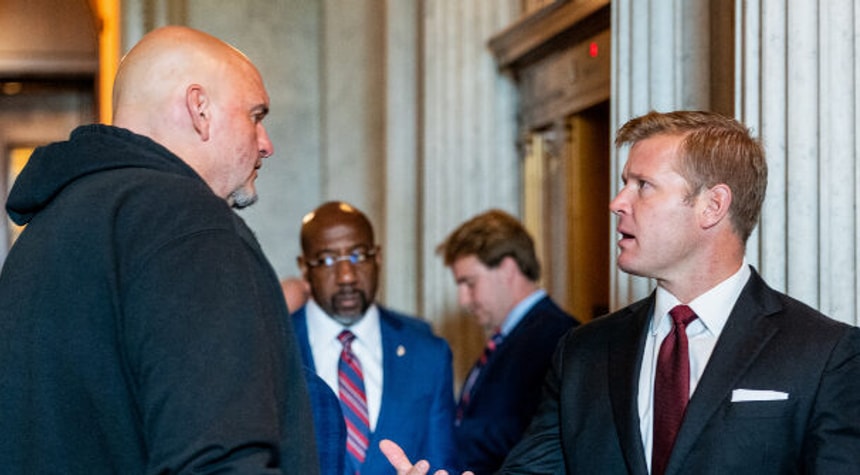
Members of Congress from both political parties are voicing significant concern this weekend regarding the security of America’s critical infrastructure following ten consecutive days of technology outages and system failures affecting major industries and government databases nationwide.
The disruptions have prompted serious questions about the resilience of protective systems guarding the nation’s increasingly interconnected networks and their vulnerability to exploitation by foreign and domestic adversaries.
Representative Keith Self of Texas, drawing upon his experience in the Pentagon’s intelligence community, stated unequivocally that the pattern of failures is abnormal and warrants thorough investigation. His assessment carries particular weight given his background in national security matters.
The concern extends across party lines. Senator John Ossoff of Georgia acknowledged that cybersecurity threats are growing more serious, while Senator Pete Ricketts of Nebraska offered a more measured perspective, noting that complex technology systems occasionally experience failures as part of normal operations.
The debate intensifies as the nation continues to experience disruptions affecting sensitive installations, including the National Security Agency. The central question now facing lawmakers and the American people is whether these incidents represent isolated technical malfunctions or indicate a coordinated cybersecurity attack on the nation’s infrastructure.
The Trump administration maintains that the incidents were unrelated and resulted from technical problems rather than malicious activity. However, speculation has increased following the president’s decision Thursday to remove National Cyber Director Sean Cairncross from his position amid concerns about his qualifications for overseeing the nation’s cybersecurity apparatus.
Representative Self expressed deep skepticism regarding official explanations, suggesting the possibility of an ongoing offensive cyberattack that government officials may be handling behind closed doors.
Cybersecurity experts point to artificial intelligence as both an asset and a vulnerability in modern infrastructure protection. While AI systems improve at identifying security weaknesses, they can simultaneously create new challenges as organizations rush to address those vulnerabilities. Perhaps more concerning, hostile actors can employ the same AI technologies to discover and exploit weaknesses they might not have found through conventional means.
At stake are systems fundamental to contemporary American life. Banking institutions, aviation networks, municipal water supplies, and electrical grids all depend on interconnected computer systems that could prove vulnerable to determined attackers.
Senator Tim Sheehy of Montana characterized local infrastructure as a soft target that has remained inadequately protected despite warnings spanning decades. The recent wave of disruptions, he argued, demonstrates the urgent need for comprehensive action.
Senator John Hoeven of North Dakota emphasized the interconnected nature of modern systems, stressing that cybersecurity requires constant vigilance across both government and private sector operations. The recent string of incidents justifies public concern, he said.
One potentially encouraging development emerging from this crisis is the possibility of bipartisan legislative action. In a Congress deeply divided along ideological lines, infrastructure security may offer rare common ground for cooperative problem-solving.
Senator John Fetterman of Pennsylvania suggested that productive legislation could emerge if lawmakers maintain focus on addressing cyber threats and strengthening American systems rather than engaging in partisan disputes. The challenge, he noted, lies in determining the true nature of recent disruptions amid conflicting information and removing political considerations from the investigation.
The coming weeks will prove critical as Congress seeks answers about whether America faces a genuine security crisis or a coincidental series of technical failures. What remains clear is that lawmakers and the American people deserve transparent, factual information about threats to the systems upon which daily life depends.
That is the way it is.
Related: Hackers Penetrate FBI System That Feeds Criminal Records to Patrol Officers