
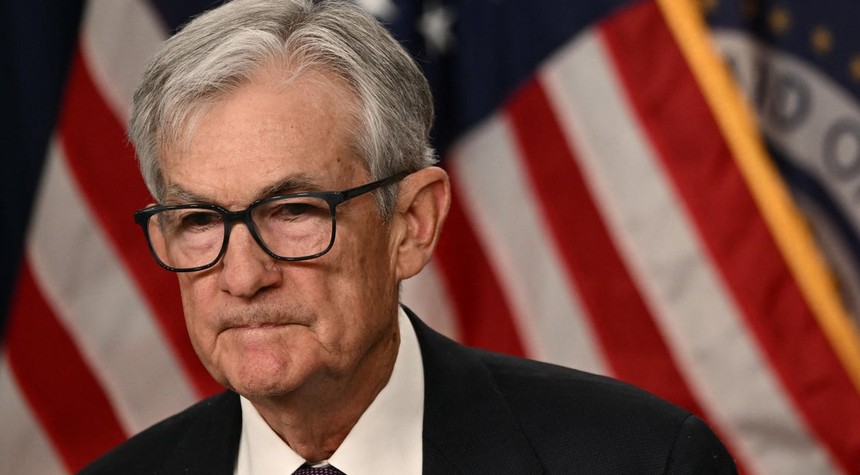
Jerome Powell concluded his eight-year tenure as chairman of the Federal Reserve on Friday, leaving behind a legacy shaped by unprecedented economic turbulence and an unwavering commitment to protecting the central bank’s independence from political pressure.
Powell’s chairmanship navigated the American economy through extraordinary challenges: the economic collapse triggered by the pandemic, subsequent recovery efforts, and the steepest inflation the nation had witnessed in four decades. His measured, pragmatic approach to these crises earned recognition from economists across the political spectrum as he departs the position.
David Wessel, senior fellow in economic studies at the Brookings Institution, assessed Powell’s tenure in clear terms. The chairman’s enduring legacy, Wessel stated, rests in his protection of the Fed’s independence during a period of unprecedented challenges. Powell’s leadership provided assurance to the American people that an adult of integrity remained in charge of the world’s most powerful economic institution.
The Federal Reserve under Powell’s stewardship managed monetary policy admirably through a tumultuous period, largely achieving its dual mandate of maximum employment and price stability, according to Mark Zandi, chief economist at Moody’s Analytics. However, Zandi emphasized that Powell’s most significant achievement came at the end of his tenure through his determined efforts to maintain the Fed’s independence.
That independence faced severe testing. Powell endured legal threats and intense pressure from President Trump to lower interest rates, challenges that would have broken lesser leaders. The chairman stood firm, demonstrating that the Federal Reserve would not bend to political winds regardless of the source or intensity of the pressure.
In an unusual decision for a departing Fed chairman, Powell will remain as a Federal Reserve governor rather than leaving the institution entirely. He explained this choice at an April 29 press conference with characteristic directness. The Fed remains at risk from legal challenges by the Trump administration, Powell stated, and the institution continues to face battering over these matters.
President Trump has selected Kevin Warsh, a former Fed official, as Powell’s successor. The transition occurs at a moment when the central bank’s traditional independence faces questions that would have seemed unthinkable in earlier eras of American governance.
Powell’s tenure spanned from his nomination by President Trump in February to succeed Janet Yellen through crises that tested not merely his economic acumen but his institutional courage. The pandemic required swift, decisive action to prevent economic collapse. The subsequent inflation surge demanded equally firm resolve to raise interest rates despite political pressure to maintain lower borrowing costs.
The chairman’s legacy ultimately transcends specific policy decisions or economic outcomes. Powell demonstrated that institutional integrity matters, that independence from political pressure serves the national interest, and that steady leadership during crisis provides stability the American economy requires.
As Powell transitions to his role as a Federal Reserve governor, his chairmanship stands as a reminder that sound monetary policy depends not merely on economic expertise but on the courage to resist political interference. In an era when institutional independence faces threats from multiple directions, that may prove his most valuable contribution to the nation.
Related: Army Veteran’s Wife Released After Month in ICE Detention
