
A federal judge has delivered a significant setback to the Trump administration’s immigration enforcement efforts, ruling that six grand jury subpoenas issued against Minnesota state and local officials were unlawful and retaliatory in nature.
U.S. District Judge Patrick Schiltz quashed the subpoenas, which had been served against Governor Tim Walz, Minneapolis Mayor Jacob Frey, and several other Minnesota government offices. The judge determined that the Justice Department had improperly wielded the grand jury process as a weapon to coerce cooperation with federal immigration enforcement.
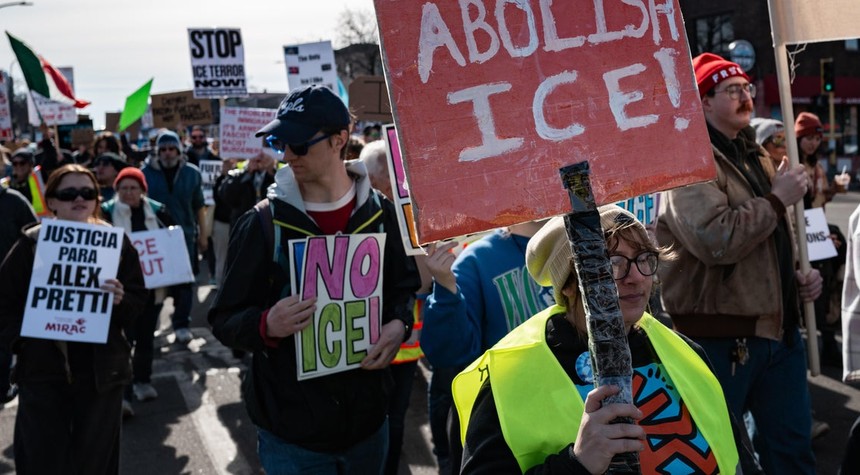
The subpoenas targeted the Minnesota governor’s office, the state attorney general, two mayoral offices, and the boards of commissioners for both Ramsey and Hennepin counties. These officials had previously filed suit seeking to block Operation Metro Surge, a federal immigration enforcement operation conducted under the Trump administration’s authority.
In his ruling, Judge Schiltz employed unusually direct language to characterize the Justice Department’s actions. He wrote that using grand jury proceedings to pressure political opponents into taking official action represents “a blatantly unlawful and unethical use of the grand-jury process,” particularly when the federal government cannot directly compel such action through other means.
The judge found the government’s justification for the subpoenas lacking in substance. “The Court has no doubt that they were” issued for forbidden purposes, Schiltz wrote, adding that the Justice Department “has struggled — without success — to identify a single plausible investigatory justification for the subpoenas.”
The legal dispute stems from Operation Metro Surge, an immigration enforcement initiative that prompted Minnesota officials to seek judicial intervention. The state and local governments argued that the federal operation exceeded appropriate bounds, leading them to file suit in an attempt to halt its implementation within their jurisdictions.
The ruling raises important questions about the proper scope of federal grand jury authority and the boundaries between federal immigration enforcement powers and state sovereignty. Grand juries serve a critical function in the American legal system as investigative bodies, but their authority is not without limits. Federal law prohibits the use of grand jury subpoenas for improper purposes, including retaliation against those who exercise their legal rights.
This decision represents a notable judicial check on executive branch authority. The court’s finding that the Justice Department could not articulate legitimate investigatory reasons for the subpoenas suggests a troubling departure from proper prosecutorial standards.
The broader implications of this ruling extend beyond Minnesota’s borders. As immigration enforcement remains a contentious issue between federal and state governments, this case establishes precedent regarding the tools available to federal authorities when state officials resist cooperation with immigration operations.
The Trump administration has made immigration enforcement a cornerstone of its policy agenda, but this ruling demonstrates that even in pursuit of those priorities, federal authorities must operate within established legal boundaries. The separation of powers and the integrity of the grand jury system remain fundamental principles that constrain governmental action, regardless of the policy objectives at stake.
Related: Florida Begins Dismantling Alligator Alcatraz Detention Facility After Spending $1.2 Billion
