
President Donald Trump has publicly challenged Illinois Governor JB Pritzker following a violent weekend in Chicago that left six people dead and dozens more wounded by gunfire. The President’s offer of federal assistance has been met with resistance from state leadership, prompting questions about the appropriate response to the escalating crisis in America’s third-largest city.
The violence unfolded during the Juneteenth holiday weekend, marking yet another surge in the pattern of deadly incidents that have plagued Chicago for years. Community leaders and federal officials alike are expressing frustration with what they characterize as inadequate local response to the ongoing public safety emergency.
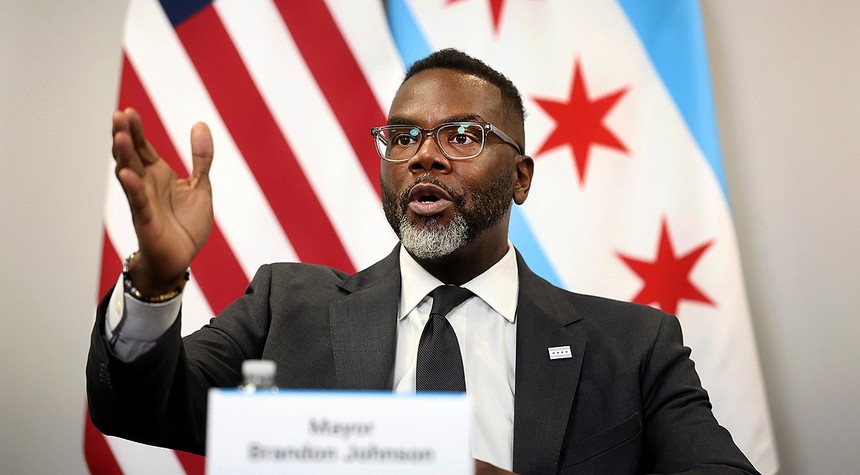
Cata Truss, director of the Community Roundtable, has issued a strong appeal for both Mayor Brandon Johnson and Governor Pritzker to reconsider their stance on federal intervention. The call reflects growing impatience among some community advocates who believe the current approach has proven insufficient to stem the tide of violence affecting predominantly minority neighborhoods.
The weekend’s bloodshed has brought renewed attention to Mayor Johnson’s recent policy priorities, which critics argue demonstrate a disconnect from the immediate safety concerns facing Chicago residents. On Sunday, as families mourned the weekend’s victims, the mayor posted on social media highlighting his administration’s work on what he termed a “Transfemicide State of Emergency,” a declaration focused on violence against transgender women.
“Since declaring a Transfemicide State of Emergency, our administration has strengthened the City’s capacity to support LGBTQ+ Chicagoans,” the mayor’s statement read. “This framework builds on that work by centering the voices and lived experiences of trans Chicagoans to chart a path toward a safer, more connected city.”
The timing of this announcement has drawn sharp criticism from those who question whether the mayor’s attention is properly focused on the most pressing threats to public safety. During a weekend that saw multiple homicides in predominantly Black neighborhoods, the emphasis on what many view as a statistically rare category of violence has struck some observers as tone-deaf.
The term “transfemicide,” which refers to the targeted killing of transgender women motivated by hatred, represents a category that affects a small number of victims compared to the broader violence plaguing Chicago streets. Critics have noted the apparent incongruity of promoting this initiative during a holiday weekend specifically commemorating African American freedom and history, even as Black Chicagoans continue to bear the disproportionate burden of the city’s violence epidemic.
The debate over federal assistance comes as Chicago continues to struggle with crime rates that exceed those of many comparable cities. The question of whether local leadership possesses either the resources or the political will to address the crisis effectively remains central to the ongoing discussion about the city’s future.
As this situation develops, the fundamental question remains whether Chicago’s leadership will accept outside help or continue to chart an independent course in addressing public safety concerns that show no signs of abating.
Related: Federal Judge Blocks Trump Administration Subpoenas Against Minnesota Officials
