A maritime incident off the coast of Alaska has raised questions about vessel protocols and neighborly conduct on the high seas after a luxury yacht owned by Meta founder Mark Zuckerberg allegedly failed to respond to a distress call.
The Coast Guard received a call for assistance shortly after 9:30 p.m. on August 3rd when a 21-foot skiff ran out of fuel in waters between Petersburg and Juneau. According to official Coast Guard statements, the agency determined by approximately 9:56 p.m. that the vessel was not in immediate distress and subsequently issued a marine assistance request broadcast.
The vessel that answered the call was the Wilderness Legacy, a 42-year-old tour boat that diverted from its course to render aid to the stranded craft. What has drawn attention to this routine maritime rescue is what did not happen.
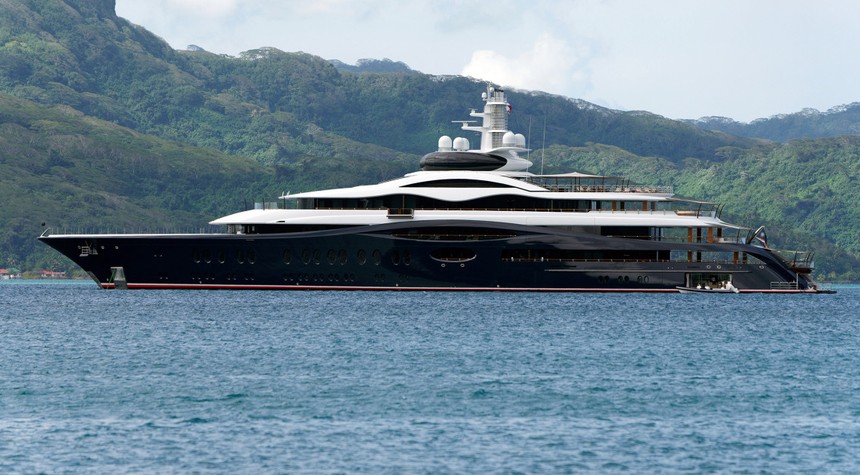
Zuckerberg’s yacht, the Launchpad, was reportedly in closer proximity to the disabled skiff when the distress call went out. The two-year-old vessel represents the pinnacle of modern maritime engineering. At 387 feet in length with a steel hull, the craft is propelled by four engines, each capable of generating 5,846 horsepower. Construction costs for the vessel have been estimated between $300 million and $390 million.
Yet according to passenger accounts from the Wilderness Legacy, the Launchpad did not respond to the radio call for assistance. When the captain of the tour boat informed passengers that Zuckerberg’s vessel had been closer to the stranded skiff but had not answered, the reaction was notable. Michael Love, a passenger aboard the Wilderness Legacy, reported on social media that the announcement was met with “near unanimous booing.”
Maritime tradition and international law have long established expectations regarding vessels in distress. While the Coast Guard determined this particular incident did not constitute an emergency situation, the unwritten code of the sea generally holds that vessels render assistance to others in need when able to do so safely.
The incident raises practical questions about communication protocols aboard large private vessels. Modern superyachts of this caliber typically maintain sophisticated radio equipment and professional crews trained in maritime operations. Whether the Launchpad’s radio was monitored, whether the call was received, or whether other factors prevented a response remains unclear.
Representatives for Zuckerberg have not issued public statements regarding the incident. The Coast Guard confirmed the basic facts of the rescue operation but did not comment on which vessels may have been in the vicinity or their response to the assistance request.
The Wilderness Legacy successfully provided aid to the stranded skiff, resolving the situation without incident. The tour boat, despite its age and more modest capabilities compared to modern luxury vessels, fulfilled the maritime tradition of coming to the aid of fellow mariners.
This incident serves as a reminder that on the water, the obligations of seamanship apply equally to all vessels, regardless of their size, value, or the prominence of their owners.
Related: Two Florida Entrepreneurs Accused of Using Mothballs Against Endangered Bird Species