
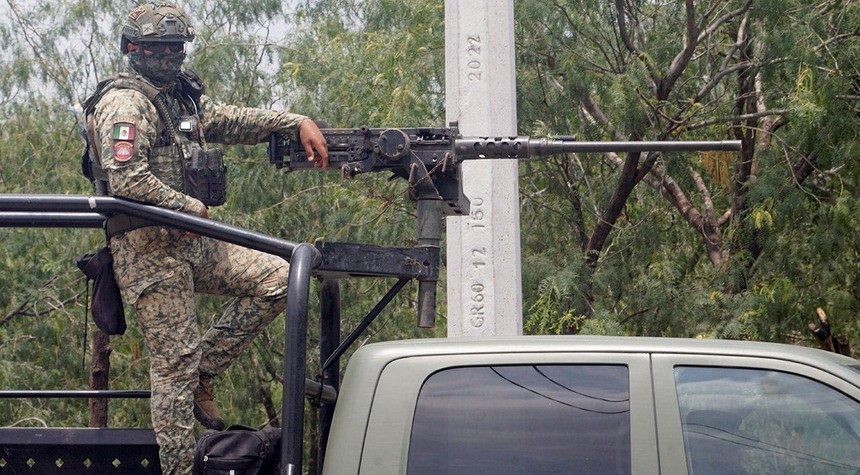
The State Department has issued an urgent travel advisory for Americans regarding Reynosa, Mexico, a city of approximately 700,000 residents located directly across the border from McAllen, Texas, following reports of escalating violent criminal activity in the area.
The U.S. Embassy and Consulates in Mexico announced that all U.S. government employees have been ordered to avoid Reynosa until further notice. The directive comes after the U.S. Consulate in Matamoros received multiple reports of violent criminal activity, including the establishment of roadblocks throughout the city by organized criminal groups.
Americans currently in the area have been urged to maintain a high level of vigilance, remain aware of their surroundings, and keep a low profile. The McAllen-Hidalgo International Bridge, which serves as a primary crossing point between Reynosa and Texas, remains a critical concern for federal authorities monitoring the situation.
The advisory represents the latest escalation in an already precarious security situation along the southern border. While the State Department maintains a Level 2 advisory for Mexico as a whole, recommending travelers exercise increased caution, the state of Tamaulipas, where Reynosa is located, carries the most severe designation available: Level 4, which explicitly warns Americans not to travel to the region.
The Level 4 designation places Tamaulipas in the same category as active war zones and failed states, with the State Department citing terrorism, crime, and kidnapping as primary threats. This classification underscores the degree to which Mexican cartels have established operational control over significant portions of territory near the American border.
The timing of this advisory coincides with broader tensions between Washington and Mexico City regarding security cooperation and American law enforcement operations on Mexican soil. The situation in Reynosa demonstrates the continuing challenge that transnational criminal organizations pose to both Mexican sovereignty and American border security.
For residents of South Texas communities like McAllen, the deteriorating security situation across the border represents more than an abstract foreign policy concern. The proximity of cartel violence to American communities has long been a point of contention in debates over border security and the proper role of federal law enforcement in addressing threats that originate beyond U.S. territory.
The State Department’s travel advisory system exists to inform American citizens of potential dangers abroad, but the Level 4 designation for a major metropolitan area mere miles from American soil raises fundamental questions about the security environment along the southern border. When federal authorities determine that a city visible from Texas presents dangers comparable to active conflict zones, the implications extend well beyond travel advisories.
Americans planning travel to Mexico are advised to consult current State Department guidance and to avoid all travel to Tamaulipas state. Those with essential business in the region should take extraordinary security precautions and maintain constant communication with local consular officials.
The situation in Reynosa remains fluid, and federal authorities continue to monitor developments closely.
Related: Severe Weather System Threatens 27 Million Americans Across Central United States
