
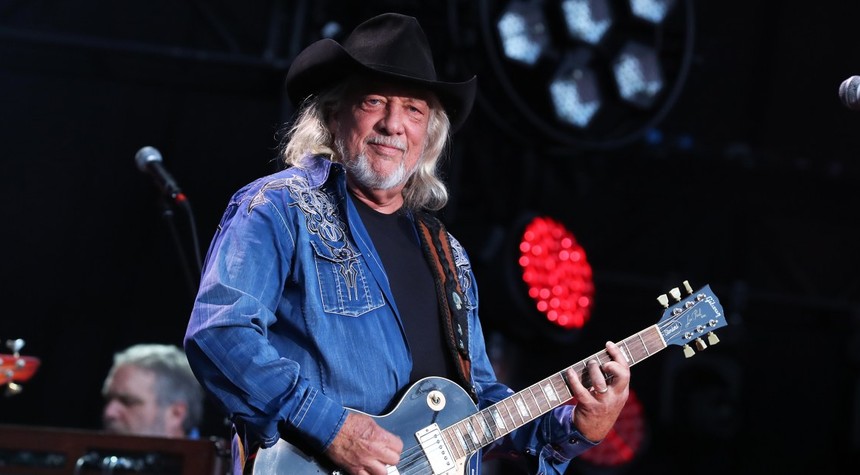
Country music has lost one of its most distinctive voices. John Anderson, the Grammy-nominated singer whose career spanned nearly five decades, died this week at the age of 71. His family announced the passing through his official social media accounts, though no cause of death was disclosed.
“It is with the heaviest of hearts that we share the passing of our beloved husband, father, grandfather, and best friend,” the family wrote. “To the world, he was a gifted country music singer whose voice and songs touched countless lives. To us, he was so much more. He was the heart of our family, the one who made us laugh, loved us fiercely, and made every ordinary moment feel special.”
Anderson’s contribution to American music was substantial and enduring. Over the course of his career, he released more than 20 studio albums and placed dozens of singles on the Billboard country music charts. He earned three Grammy Award nominations, including a nod for best country vocal performance in 1982. His peers recognized his achievements earlier this year when he was elected into the Country Music Hall of Fame.
At the news conference announcing that honor, Anderson expressed genuine humility about joining such distinguished company. “I’m trying to get a grasp of the reality of this happening to me,” he said. “I want to thank all the fans who supported us through the last nearly 50 years.”
Born John David Anderson in Apopka, Florida on December 13, 1954, he followed a path familiar to many aspiring musicians. After graduating high school, Anderson moved to Nashville and worked odd jobs while pursuing his musical ambitions. His persistence paid off in the late 1970s when Warner Bros. Records signed him after he built a following through local club performances.
The early 1980s established Anderson as a rising talent. His fourth studio album, “Wild & Blue,” released in 1982, brought him mainstream success with the energetic single “Swingin’.” The song showcased his ability to deliver upbeat, radio-friendly country music without sacrificing authenticity.
While his commercial fortunes fluctuated throughout the 1980s, Anderson experienced a significant resurgence in the early 1990s with his album “Seminole Wind.” The title track became one of his signature songs, a haunting meditation on environmental destruction set against swampy instrumentation. “Ever since the days of old / Men would search for wealth untold / They’d dig for silver and for gold / And leave the empty holes,” Anderson sang, demonstrating his capacity for songs of substance and social commentary.
Anderson remained active in recent years, though with less visibility than during his commercial peak. He released his final studio album, “Years,” in April 2020. The cover featured Anderson gazing into the distance, wearing a black cowboy hat, his white beard a testament to the decades he had devoted to his craft.
Kyle Young, CEO of the Country Music Hall of Fame and Museum, offered a fitting tribute. He praised Anderson as “a one-of-a-kind song stylist who proved that fresh innovations were best born from time-honored traditions.”
Anderson leaves behind a catalog that will endure as a reminder of when country music valued both innovation and respect for its roots.
Related: Inspector General Declines Investigation Into Dismissed Case Against Olympic Canoeist