
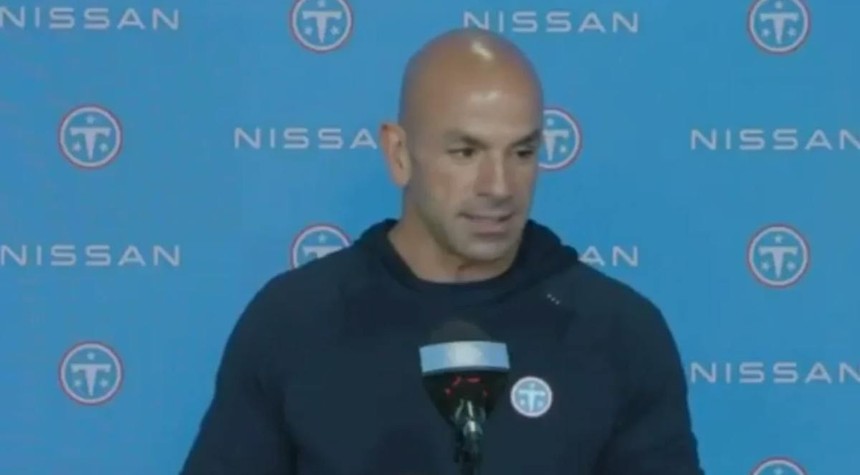
Tennessee Titans head coach Robert Saleh addressed reporters Wednesday with a measured defense of former defensive tackle Jordan Elliott, characterizing the incident that led to his release as something deeper than a simple disciplinary matter.
The Titans released Elliott on Tuesday following an altercation at practice on October 15. According to multiple reports, Elliott engaged in a confrontation with offensive lineman JC Latham before being removed from the practice field. Elliott subsequently went to the players’ parking lot to retrieve a firearm before defensive lineman John Franklin-Myers intervened and defused the situation.
In his first public comments since Elliott’s release, Saleh emphasized the importance of understanding the underlying causes of such behavior rather than simply reacting to the surface-level incident. His remarks reflected a broader concern about mental health challenges facing professional athletes.
“The first question that I think everyone forgets to ask is why would a great man, a great father, a man who shows up on time every day, works his tail off every day, contributes the way he is supposed to contribute, is well liked in the locker room, why did he go off the rails and grab a gun,” Saleh explained. “To me, those are small signs of a cry for help in terms of there is obviously something greater happening.”
The coach praised both the NFL and the Titans organization for taking time to examine the circumstances surrounding Elliott’s actions rather than rushing to judgment. He referenced recent cases of NFL players who died by suicide, arguing that such tragedies underscore the need to recognize when athletes may be struggling with challenges that extend beyond the football field.
Saleh made clear he was not suggesting Elliott was suicidal, but rather making the broader point that players often face difficulties in their personal lives that remain hidden from teammates and coaches.
The organization took several days before announcing Elliott’s release, a delay Saleh attributed to ensuring the player received appropriate help and support. However, the coach acknowledged that bringing a weapon onto team property represented a serious breach that the organization could not overlook.
Despite supporting the decision to release Elliott from the Titans, Saleh expressed firm conviction that the incident should not end the player’s professional career. He offered an unequivocal endorsement of Elliott’s character and capabilities as a player.
“I will stand on the table for Jordan’s character,” Saleh stated. “My message to 31 other teams: If you need a run-stopping defensive tackle that can help for a playoff run, give me a call. I’ll tell you everything you need to know about him. He’s a good man. Had a terrible lapse in judgment.”
The incident raises questions about player welfare and mental health support systems within professional sports, issues that have gained increased attention following several high-profile tragedies in recent years.
Elliott’s case presents a complex situation where an apparently dedicated professional and family man exhibited behavior wildly out of character with his established record. Whether other NFL teams will heed Saleh’s endorsement remains to be seen.
Related: Soviet Fighter Aircraft Discovered Beneath Hungarian Village After 80 Years
