
The Philippines’ Justice Department is seeking international assistance in a case involving the alleged murder of cockfighting participants by rogue police officers. Justice Secretary Crispin Remulla has requested technical aid from Japan to conduct a thorough search of Lake Taal, where bodies are believed to have been disposed.
The investigation centers on a series of disappearances in 2022 linked to the country’s extensive cockfighting industry, known locally as “Sabong.” Reports indicate that as many as 34 individuals connected to the sport vanished under mysterious circumstances. A witness, identified as Julie “Dondon” Patidongan, has come forward with claims of knowledge about bodies submerged in the lake.
Secretary Remulla has stated that multiple witnesses can now “testify where (in the water) those missing persons were thrown.” He further reports that 15 national police officers, currently unnamed, are under investigation and have been placed on restricted duty. “They carried out the executions,” Remulla asserts.
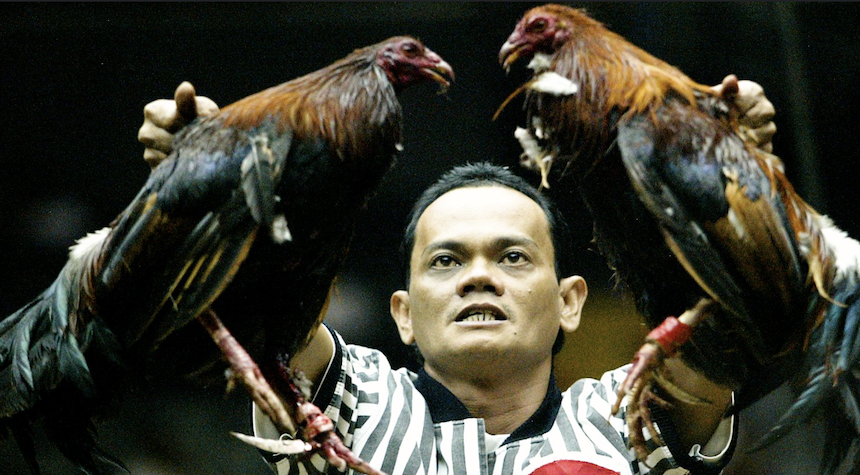
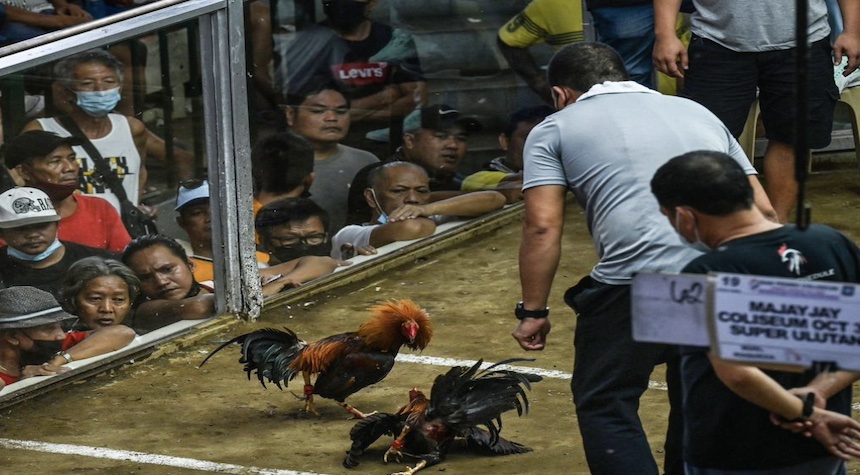
The significance of this case becomes clear when we consider the scale of the cockfighting industry in the Philippines. Filipinos from various social strata reportedly wager millions of dollars weekly on these matches, which often end in the death of the fighting roosters. The sport’s popularity surged during the coronavirus pandemic by moving online, attracting a broader audience of mobile gamblers.
This case raises important questions about law enforcement oversight and the regulation of gambling activities. A 2022 Senate investigation revealed that daily bets on online cockfights amounted to $52.4 million, according to BBC reports. The live-streamed fights were eventually banned by former president Rodrigo Duterte following the disappearances.

While cockfighting is deeply ingrained in Filipino culture, its violent nature and association with illegal activities have led to calls for stricter controls. The alleged involvement of law enforcement officers in these disappearances further complicates the matter, potentially eroding public trust in institutions meant to uphold the law.
As the investigation continues, the Justice Department’s request for Japanese assistance in mapping the lakebed of Taal underscores the technical challenges involved in resolving this case. Lake Taal, spanning over 89 square miles and reaching depths of 564 feet in places, presents a formidable search area.
The facts, as we now know them, paint a complex picture of crime, culture, and corruption. As developments unfold, it will be crucial to monitor the progress of the investigation and its potential impact on the Philippines’ approach to regulating cockfighting and ensuring accountability within law enforcement ranks.
