
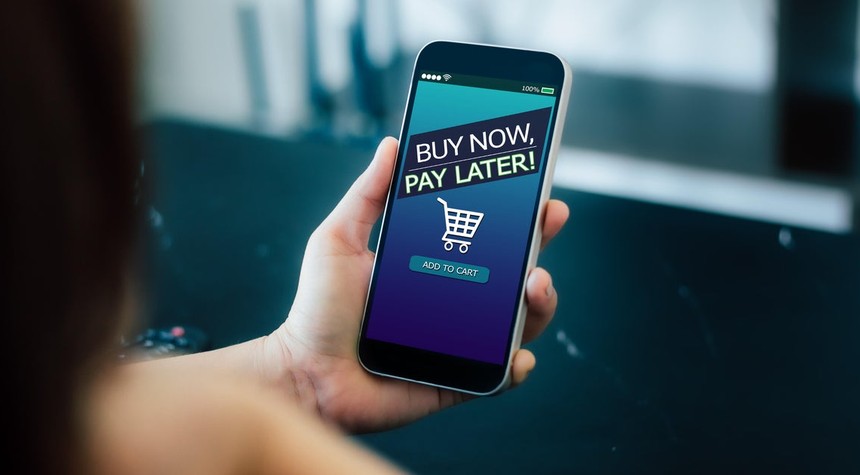
A troubling trend in consumer finance reveals that millions of Americans are now turning to “buy now, pay later” loans not for discretionary purchases, but for basic necessities including rent, groceries, and medical bills.
These short-term installment loans, which first gained popularity in the 2010s as a means to finance electronics and clothing purchases, have evolved into what consumer advocates describe as a financial warning signal about the state of American household economics.
The numbers tell a stark story. Americans borrowed $160 billion through these loans in 2025, roughly double the amount from just two years prior, according to research by Federal Reserve economists. More than half of these borrowers report they would be unable to make ends meet without access to such financing.
The mechanism is straightforward enough. Consumers can divide purchases into smaller, typically interest-free payments spread across four installments over several weeks or months. Approval comes quickly at checkout, requiring only basic information and no credit check. Lenders profit through fixed monthly fees and a percentage of the loan amount rather than interest charges.
What concerns financial experts is not the structure of these loans, but rather what their usage patterns reveal about economic conditions facing ordinary Americans. Ariel Nelson, senior attorney at the National Consumer Law Center, put it plainly. The growing reliance on these loans for rent and utilities underscores how significantly high inflation has strained household budgets in recent years.
“The most helpful thing about them is what they reveal about the state of affordability in our country, which is that people are struggling to pay rent and utilities on time and in one amount,” Nelson stated. “At best, these loans can act as a temporary Band-Aid. Even then, they are not risk-free.”
A recent poll from Protect Borrowers, a nonprofit advocacy group, found substantial numbers of loan users applying these financing tools to housing costs and other essential expenses. This represents a fundamental shift from the original market position of buy now, pay later services.
Matt Schulz, chief credit analyst at LendingTree, an online lending marketplace, noted that lenders have successfully expanded their reach. “BNPL lenders have done a really good job of making these types of loans accessible to pay for almost anything,” he observed.
While most of these products do not charge late fees, lenders typically decline future applications from customers with late payment histories. More than $96 billion in loans issued carried no interest charges, according to the Federal Reserve research.
Consumer advocates warn that the short-term nature of these loans can obscure their true costs and risks. Using debt financing for essential expenses creates a precarious situation where a missed payment could cascade into housing or food insecurity.
The rapid growth of this market segment serves as an economic indicator worth watching. When significant portions of the population require financing to cover basic living expenses on time, it suggests deeper challenges in wage growth, housing affordability, and overall cost of living that merit serious attention from policymakers and economic planners alike.
And that is the way it is.
Related: Democratic Socialists Exploit Leadership Vacuum Within Party Structure, Former Biden Aide Says
