Two Ukrainian prisoners who shared detention facilities with American citizen Stephen Hubbard have come forward with disturbing accounts of systematic abuse they witnessed during his four-year imprisonment in Russia.
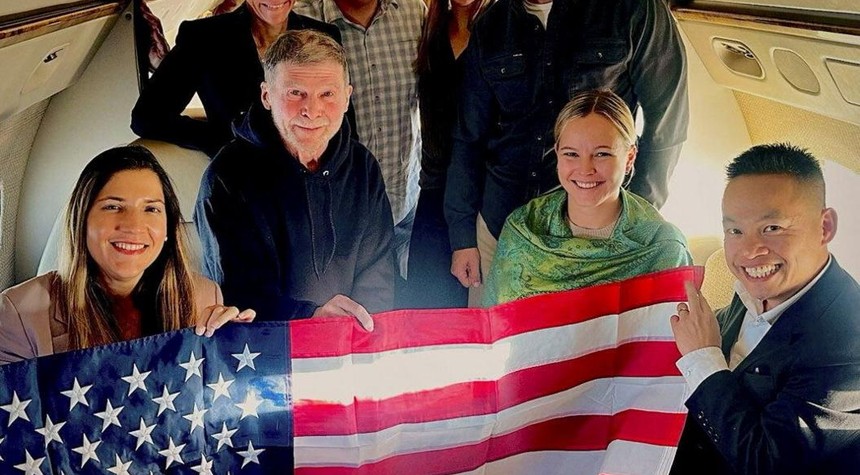
Hubbard, a 74-year-old American, was returned to the United States this week following his release by Russian authorities. His freedom came on the same day a US special envoy met with Russian President Vladimir Putin in St. Petersburg to discuss the ongoing conflict in Ukraine.
According to Dmytro Khyliuk and Ihor Shyshko, both former prisoners at the Novozybkov facility in Bryansk, Hubbard’s nationality made him a particular target for Russian guards from the moment of his arrival in September 2022.
Khyliuk recalls Russian guards specifically inquiring about the American prisoner’s location during inspections. “They came during inspections and were asking: in which cell is the American? And then they used obscene words. They threatened him, they mocked him from the first days,” he stated.
The circumstances of Hubbard’s capture trace back to April 2022, when Russian forces occupied the eastern Ukrainian city of Izyum. Hubbard had been residing there with his Ukrainian partner when he was detained. Russian authorities accused him of serving in Ukraine’s armed forces, ultimately convicting him in a Moscow trial and sentencing him to six years and ten months imprisonment.
Shyshko, himself a captured Ukrainian soldier, provided detailed allegations of physical abuse. He described witnessing guards beating Hubbard and using stun guns against him. “They beat him on the legs, on the back, on the arms,” Shyshko recounted. “Of course, they didn’t give him food, they didn’t give him medical care. They kept him in the cold.”
Both witnesses assert that Hubbard received harsher treatment specifically because of his American citizenship. Guards allegedly justified their actions by labeling him a mercenary, according to the accounts provided.
Khyliuk, a journalist who was detained during the early phase of Russia’s invasion, noted that he observed Hubbard’s physical condition deteriorating over the months they were held in proximity to one another. He could hear Hubbard’s complaints through the cell walls and noticed guards increasingly summoning him for medical attention.
The journalist also alleged that prison officials deliberately concealed Hubbard from International Red Cross visitors, moving him to prevent inspection of his condition.
These accounts from the former Ukrainian prisoners align with statements previously made by Hubbard’s family members, who have maintained that he suffered torture during his detention.
President Trump indicated that he personally requested Hubbard’s release during a telephone conversation with President Putin the week prior to the American’s freedom. The release occurred during a diplomatic visit by US special envoy Steve Witkoff, who subsequently praised Putin as a humanitarian despite the ongoing military operations in Ukraine.
The case raises significant questions about the treatment of foreign nationals detained during the conflict and the conditions within Russian detention facilities. It also underscores the complex diplomatic negotiations required to secure the release of Americans held abroad.
The full extent of Hubbard’s experience and his current medical condition have not been publicly disclosed as he reunites with family members in the United States.
Related: Dallas Cowboys Cheerleaders Sue My Chemical Romance Over Costume Display at Concert